New Doors · Toronto
Wind-Rated Garage Door Replacement in Toronto
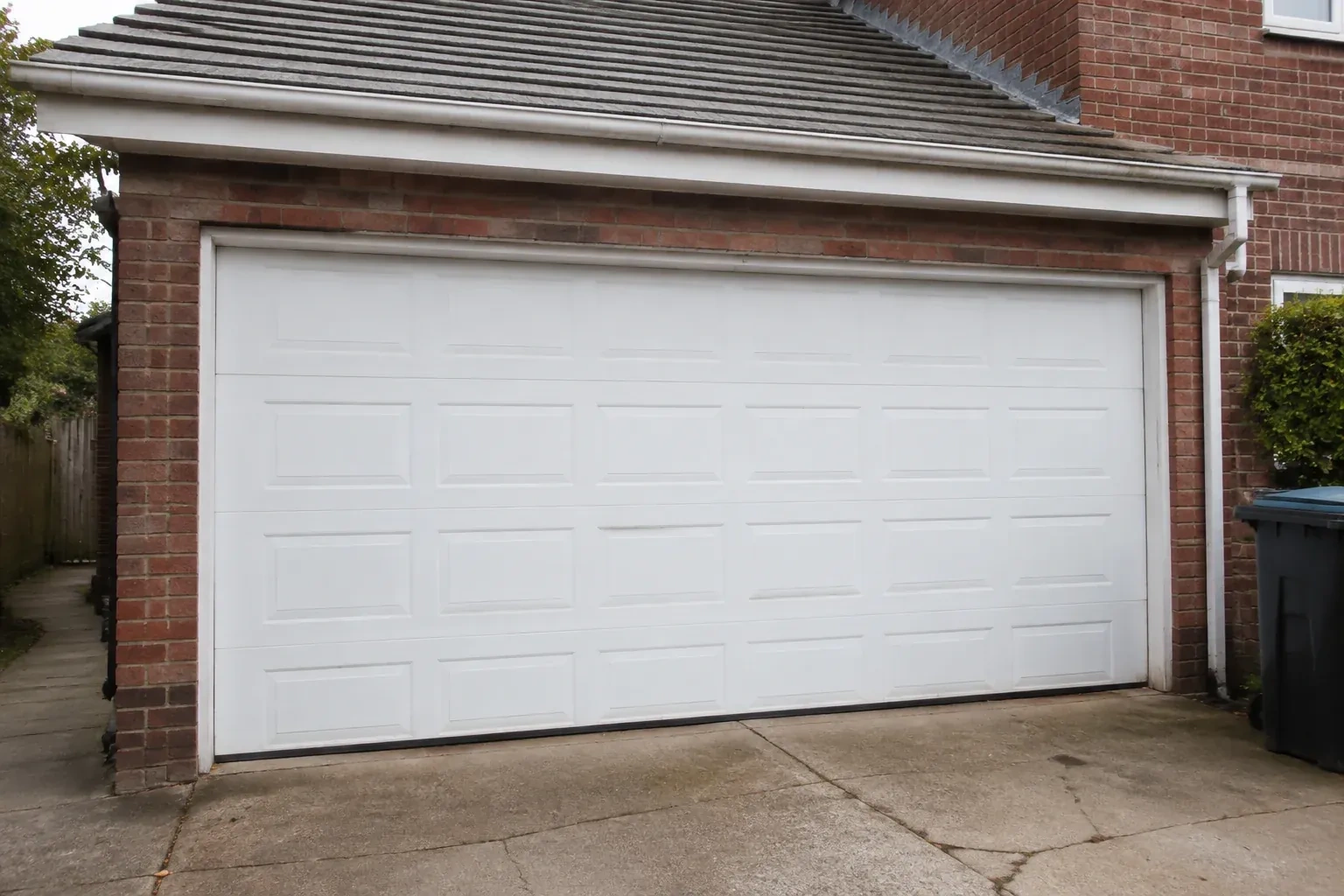
Strong gusts make the centre of your wide garage door bow inward and the rollers chatter in their tracks.
In plain words
When permit drawings or a building designer specify wind criteria, the replacement is planned from those documents rather than from appearance alone. Opening measurements and mounting conditions are compared with the door configuration's supporting information, including permitted sizes, section construction, reinforcement, tracks, and fastener layout. The delivered parts are checked before assembly and installed as one coordinated system. A clear record of the selected door and installed components stays with the property, making future inspection and hardware matching more straightforward.
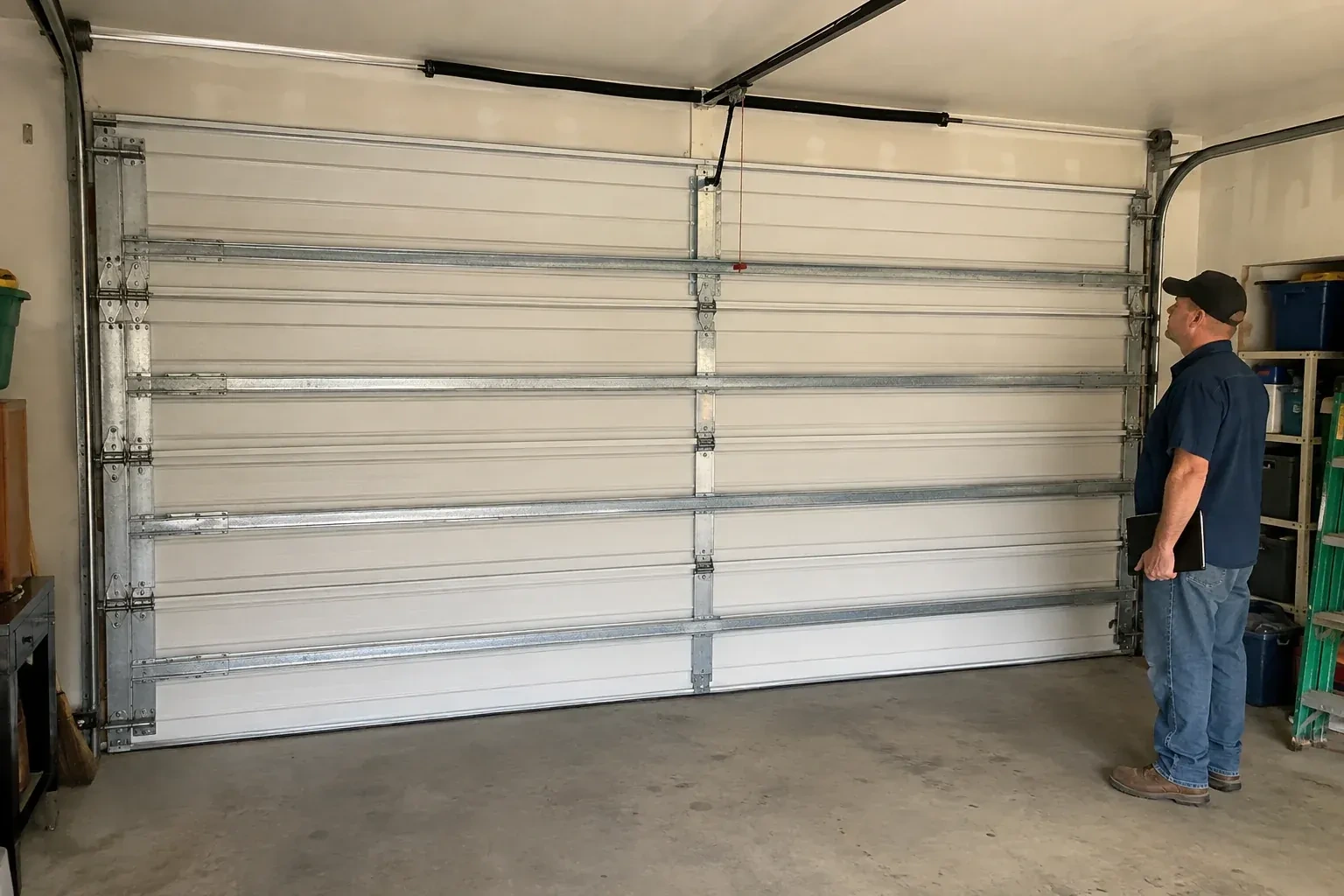
How the visit goesYour renovation drawings call for a garage door with a stated design pressure, yet the existing door has no readable label or installation record. The replacement now needs to match the opening and the project documents.
Wind-Rated Garage Door Replacement
How the visit goes

Trace loads into the structure
The door is only one link in the path that carries wind force. The survey looks behind finishes where practical to identify wood, masonry, concrete, or steel framing, then examines the jamb material, header area, fastener condition, and mounting faces. Splits, decay, loose blocking, thin cladding, or anchors placed into unsuitable material are documented. This determines whether ordinary preparation is enough or whether a builder or structural professional should coordinate improvements so the new tracks and brackets connect to dependable support.
Dismantle the old system methodically
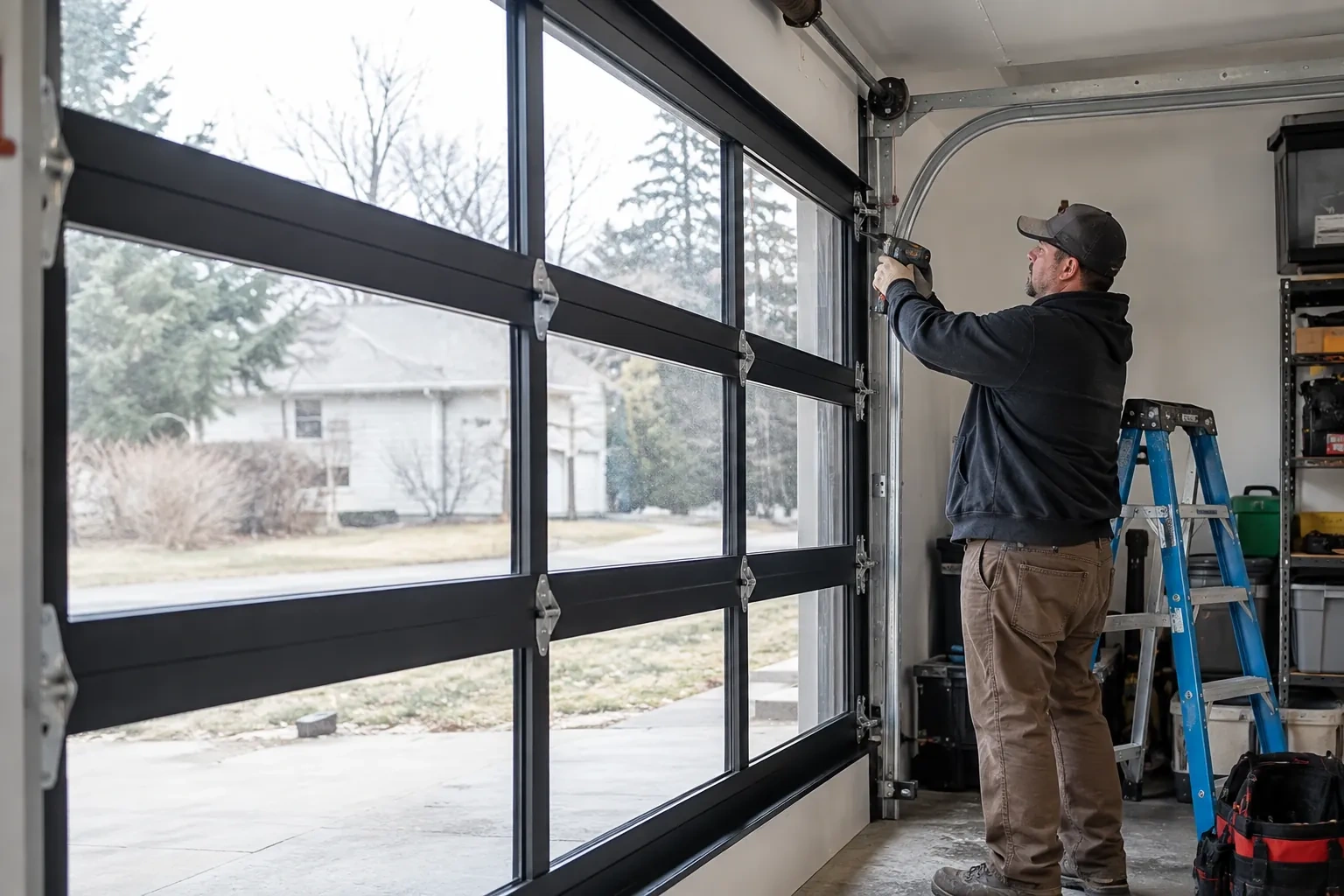
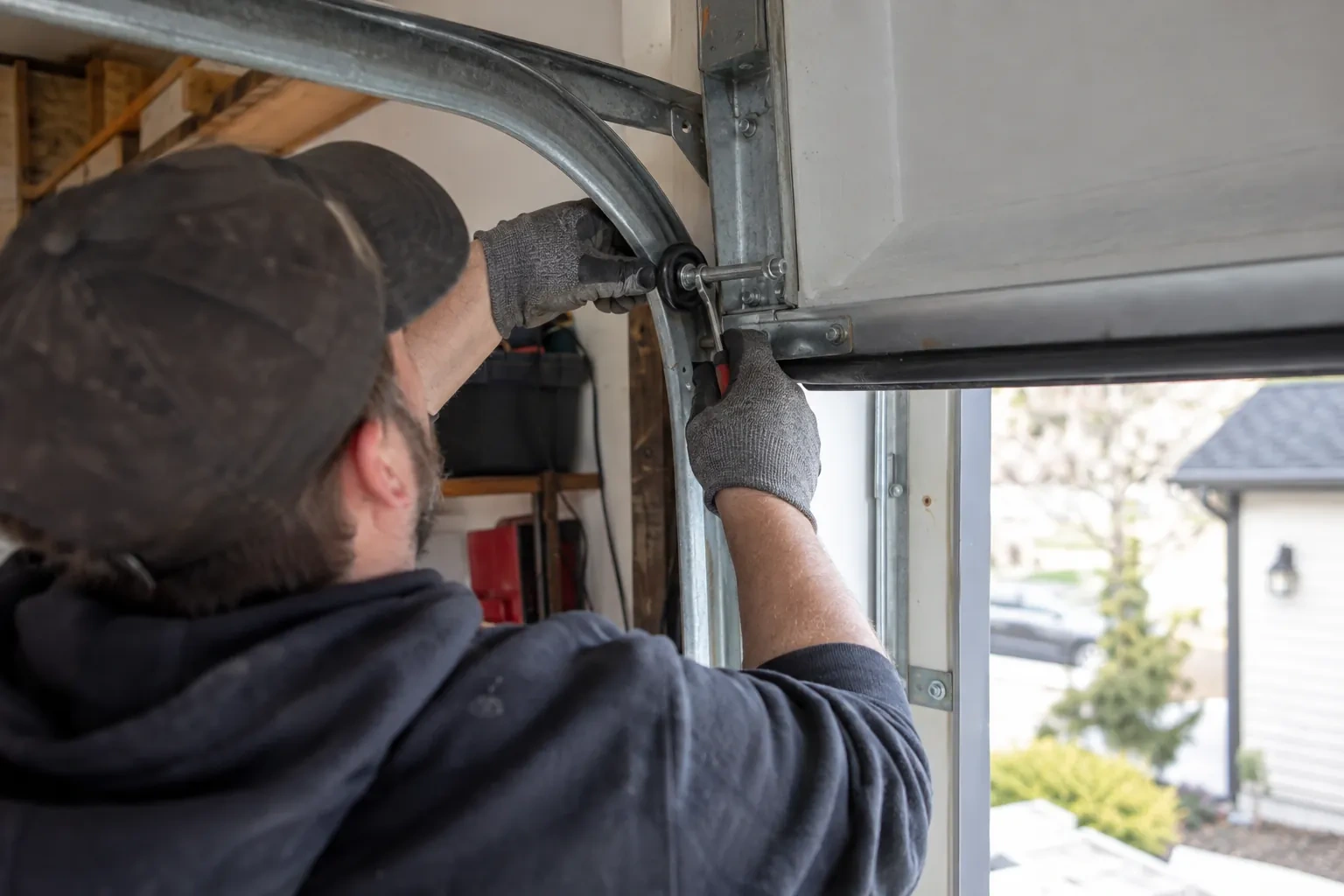
Removal begins with the door closed and controlled. The operator is disconnected, lift cables are secured, and spring tension is released with tools made for the counterbalance system. Sections come apart in sequence so their weight stays supported, followed by tracks, brackets, shaft, and remaining hardware. Technicians watch for bent parts that may move as tension changes. Once the opening is clear, old fastener holes and concealed jamb areas can be examined before any new attachment layout is marked.
A steadier wide opening
The completed door brings sections, reinforcement, tracks, rollers, brackets, and anchors together as a system selected for the opening's criteria. During ordinary use, it should travel in a controlled line and close squarely against the perimeter seals. In windy weather, the purpose of the added structure is to manage pressure across the broad surface and carry those forces into the jambs. Owners can simply observe from indoors and report any new flex, rubbing, or hardware movement for assessment.
Wind-Rated Garage Door Replacement
In the van
Reinforced door sections
Jamb and flag brackets
Lift cables and drums
Perimeter weather seals
Winding bars and levels
Wind-Rated Garage Door Replacement
What affects the quote
Opening width and height
Door area and span influence section construction, reinforcement, track layout, spring sizing, material handling, and the documented configurations available for the project.
Operator compatibility
The existing opener, rail, supports, door arm, reinforcement bracket, controls, and safety devices are reviewed against the completed door's weight and geometry.
Section construction
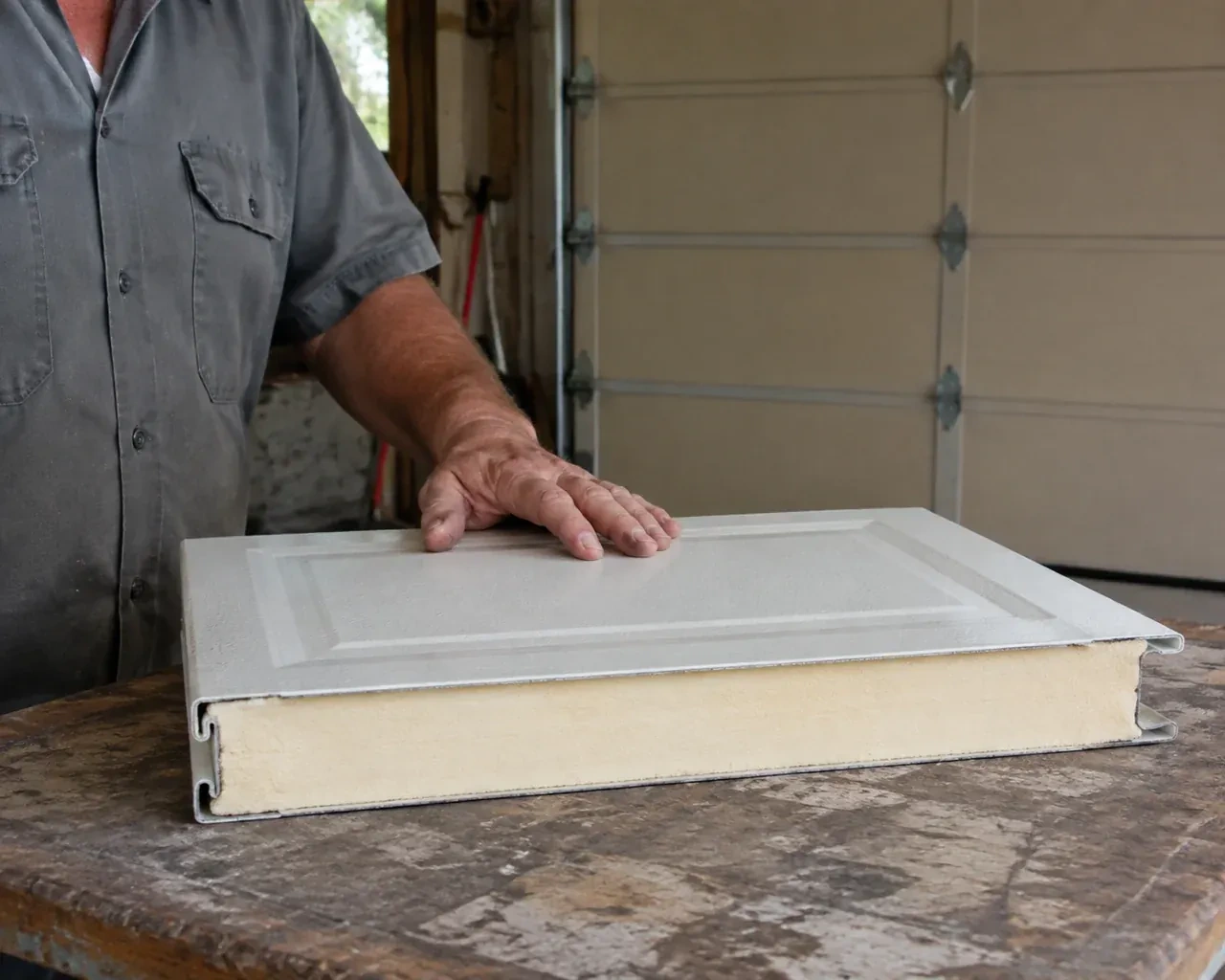
Single-skin, insulated, and composite-core sections differ in weight and structure. The chosen profile and thickness affect the door package and counterbalance requirements.
What to have ready
- Is the garage exposed to open land or a large body of water?
- Do ceiling beams, ducts, shelving, or lighting limit track space?
- Are any sections, struts, tracks, or jamb fasteners visibly damaged?
Wind-Rated Garage Door Replacement: questions
QuestionsHow do insulation and weather seals fit into the project?
Insulated section construction can add stiffness, comfort, and weight, while perimeter seals limit drafts and ordinary moisture entry around the closed door. These choices are coordinated with the wind-rated configuration rather than selected separately. Bottom seal contact, side weatherstrip, and top seal alignment are checked during handover so the reinforced assembly also closes neatly for daily use.
What information should I provide before the visit?
Share the finished opening size if known, photos from inside and outside, any door labels, renovation drawings, permit notes, design pressure, and details about recent wind movement or damage. Mention windows, insulation, ceiling obstructions, and the existing opener. These details help the technician prepare a focused survey while measurements and mounting conditions are still verified on site.
What should I watch for during strong winds?
During strong or severe winds, shelter in a basement or small interior room away from windows, doors and exterior walls, rather than watching the door while it blows. Once conditions have passed, look over the opening: note unusual bowing, new creases, displaced rollers, loose attachments, perimeter gaps, or movement at brackets and jambs, and let these details guide a later assessment.
Related services
- Insulated Steel Garage Door InstallationThe opener strains as the heavy older door starts upward, and manual movement feels uneven.
- Carriage-House Garage Door InstallationTwo garage openings sit side by side, and small differences in window spacing or decorative hardware would be obvious.
- Full-View Glass Garage Door InstallationThe current door is due for replacement, and this is the opportunity to change the whole character of the opening.