Openers
Openers & Access
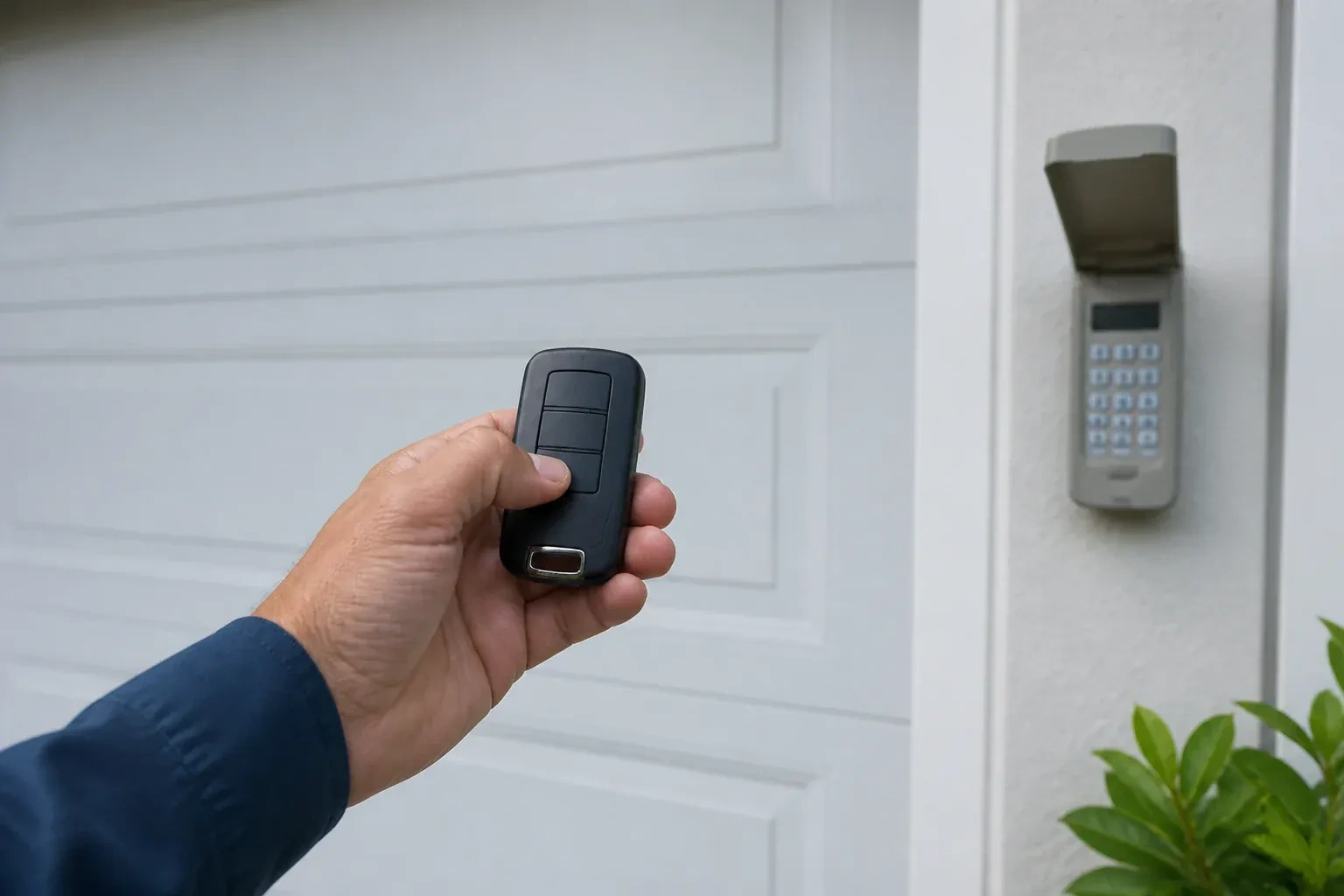
A quieter opener changes a house. Belt drives and wall-mounted units cut the noise that travels through the ceiling, and they pair with keypads, remotes and apps for easy access.
Which one do I need?
- The door stops partway up for no reason, or opens fine and then refuses the next time.Garage Door Opener Diagnosis and Repair
- The door opens about a third of the way and stops.Chain-Drive Opener Repair
- The belt looks fine from a distance, but up close the rubber has cracked across the back in dozens of places and, in one spot, you can see the steel cords showing through.Belt-Drive Opener Repair
- The bedroom above the garage shakes every morning at six when the chain drive fires up.Garage Door Opener Replacement
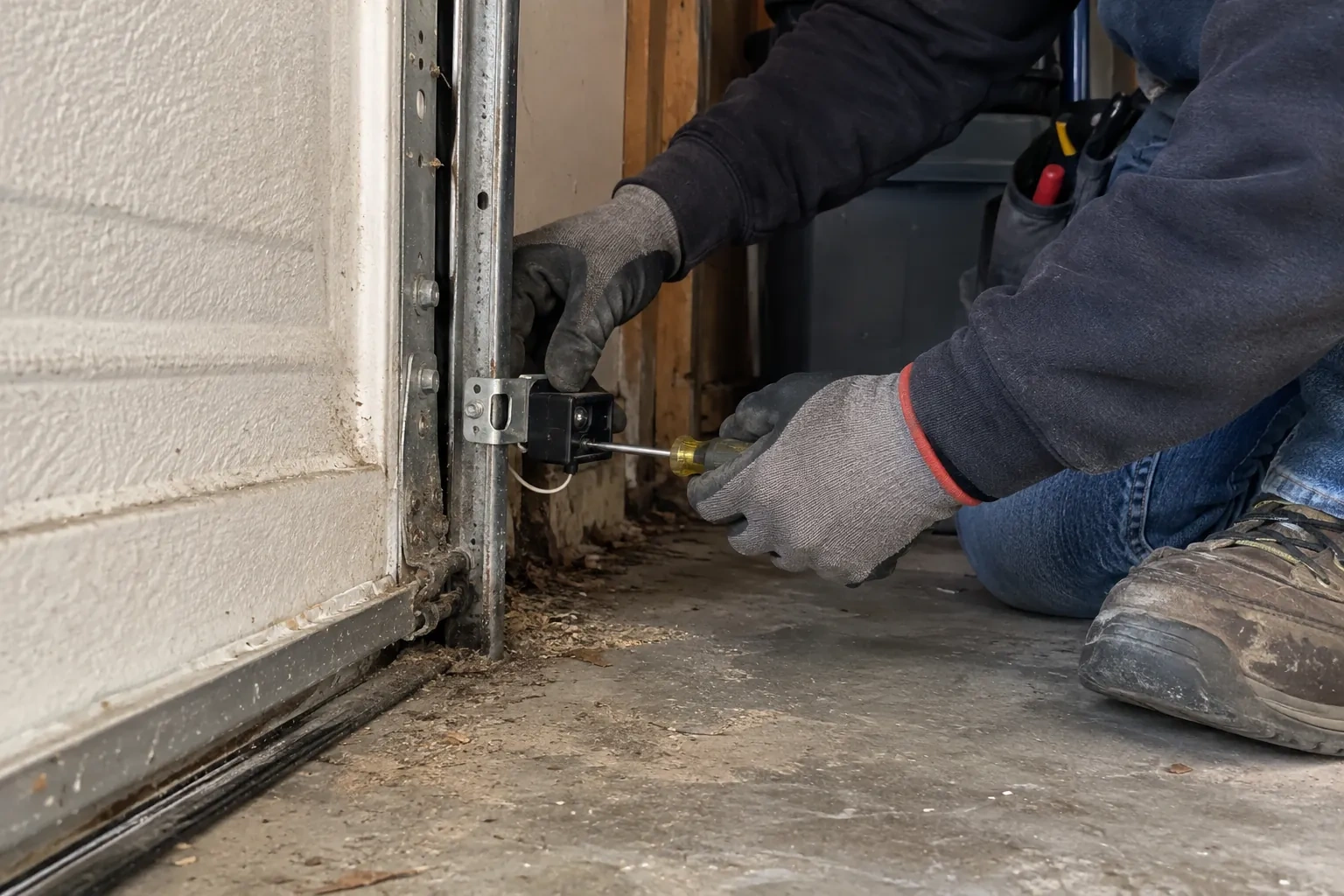
- There are no sensors at the floor at all, or a previous owner has wired the pair together up beside the motor so the beam never crosses the doorway.Photo-Eye Sensor Alignment or Replacement
- The remote opens the door only when you are almost underneath it.Garage Door Remote and Keypad Programming
Openers & Access
Operators, safety sensors, controls, and access systems.
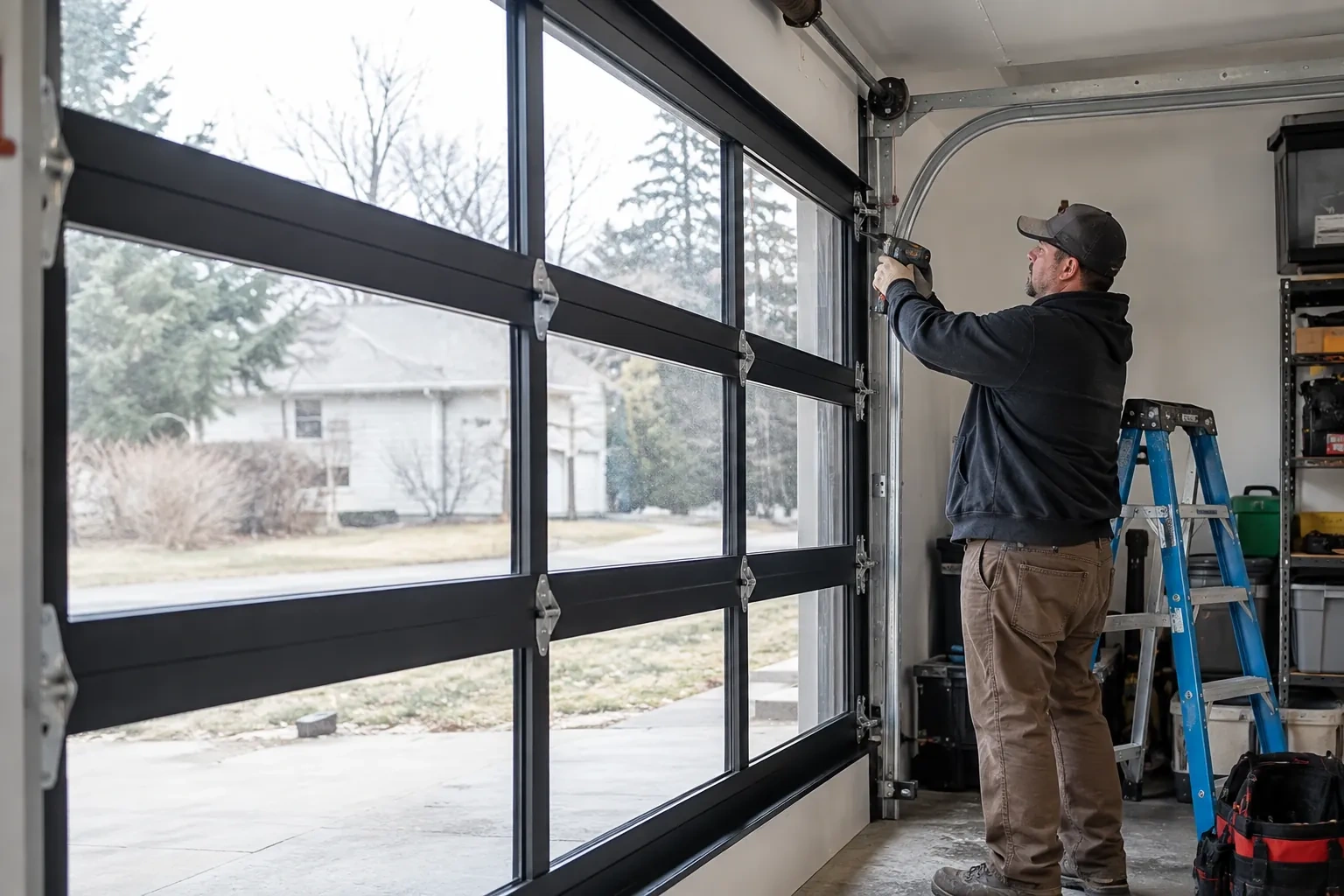
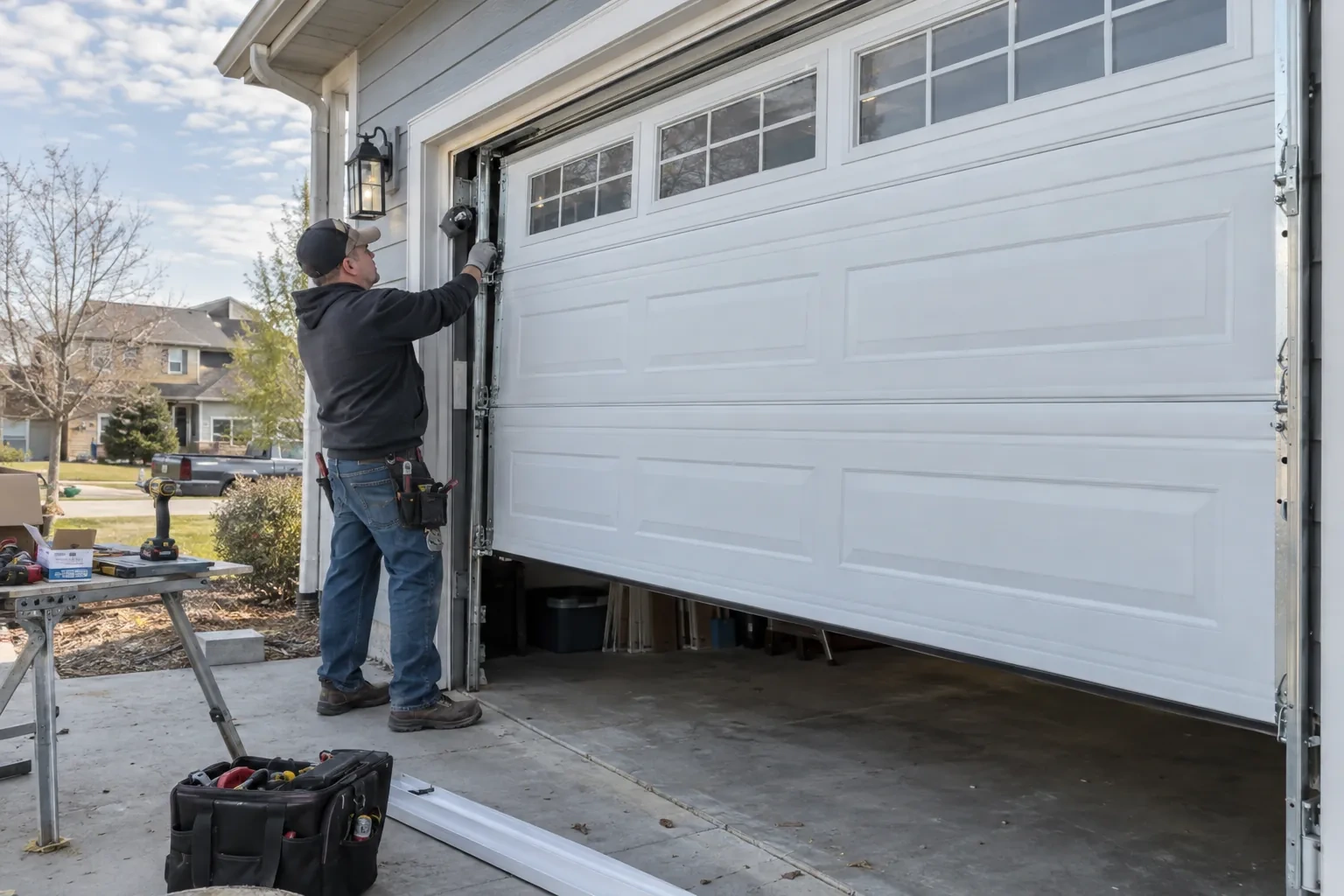
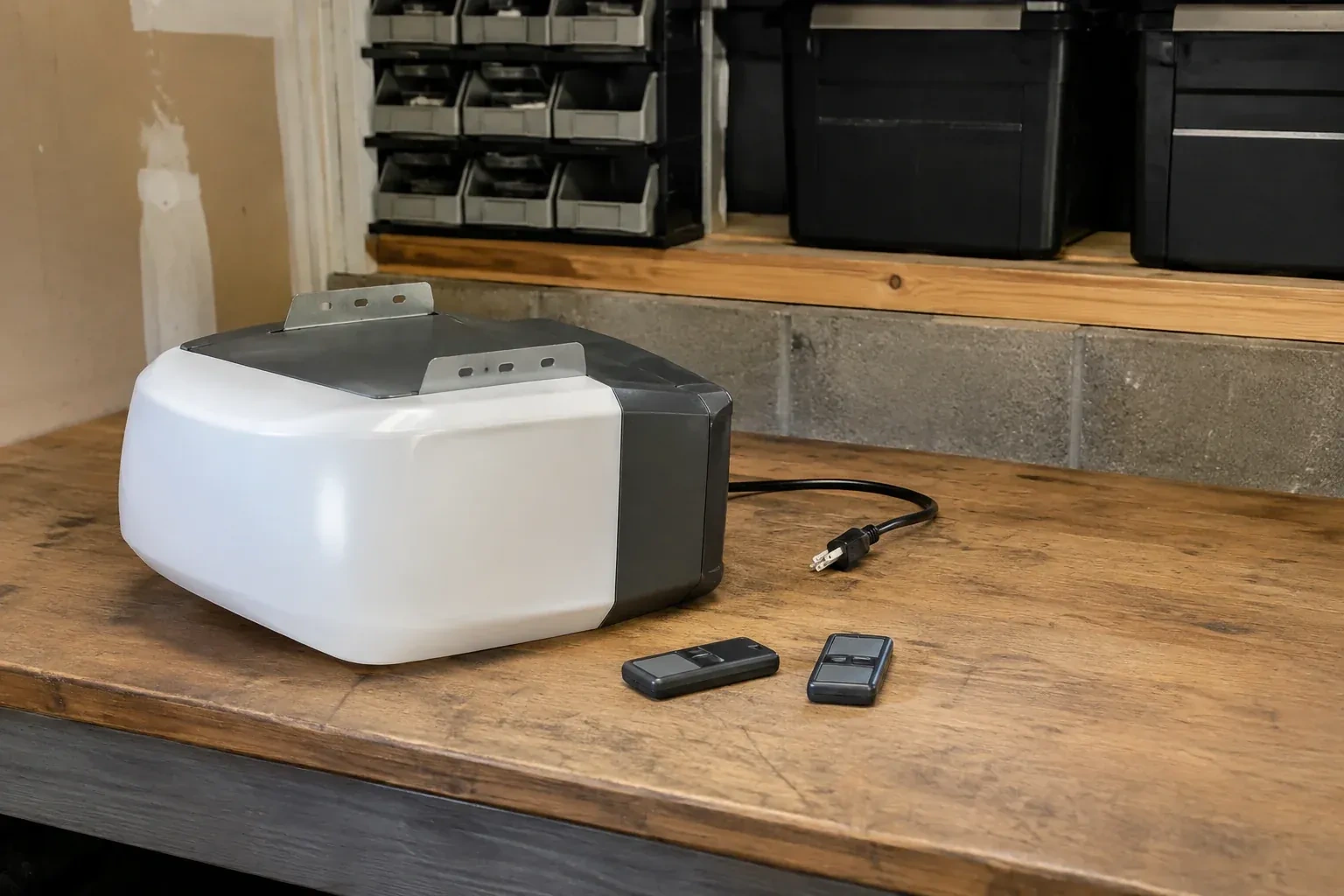
Garage Door Opener Diagnosis and Repair
Limits, force and the two safety tests
Finally the settings are checked against what the door actually does. Travel limits decide where the door stops at the top and how firmly it meets the floor; a limit set slightly long makes the door hit the slab, sense an obstruction and pop back open. Force settings decide how much resistance the opener tolerates before reversing, and these drift, or get turned up to hide a stiff door.
Both are read, the door is run through full cycles, and the contact reversal test with a 2x4 and the beam-interruption test are performed. Any setting that only passes because force is cranked high is treated as a symptom.