Garage Doors in Toronto, OntarioA door that liftsthe way it should.
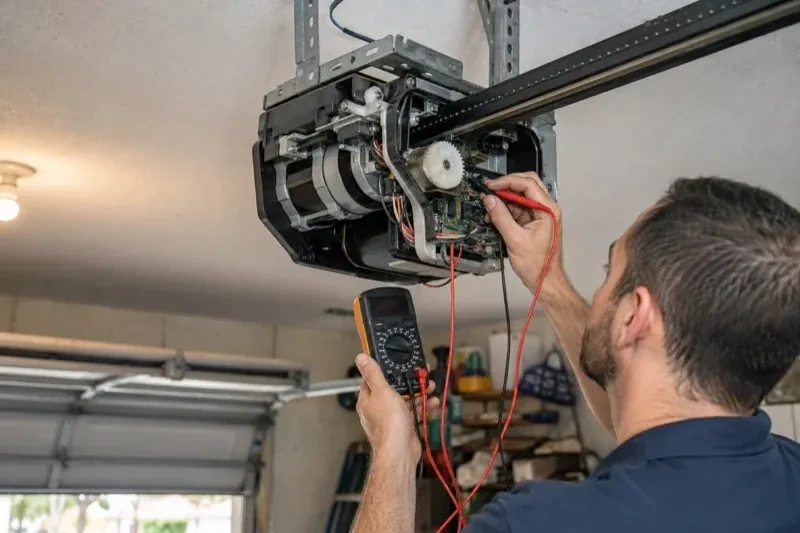
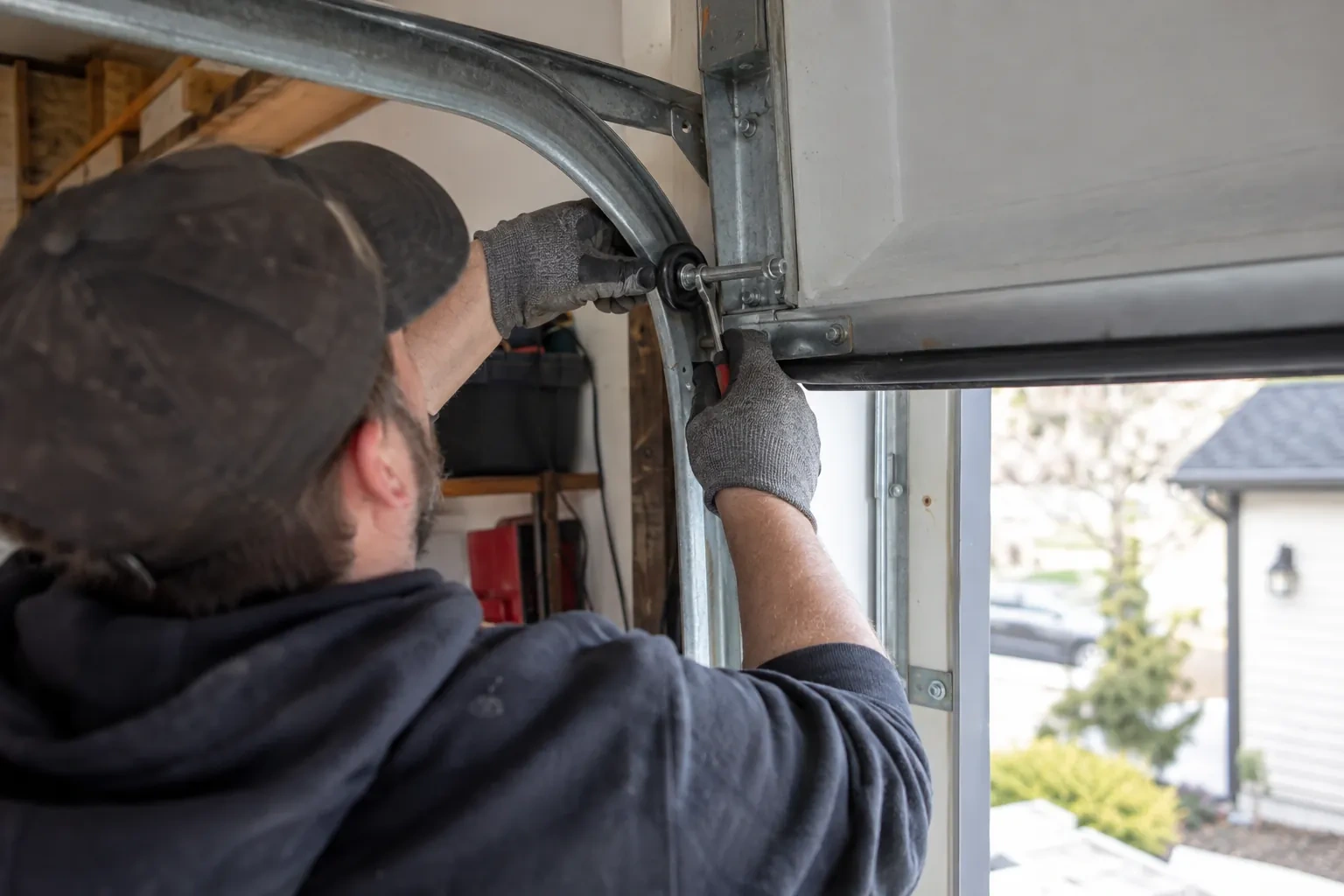
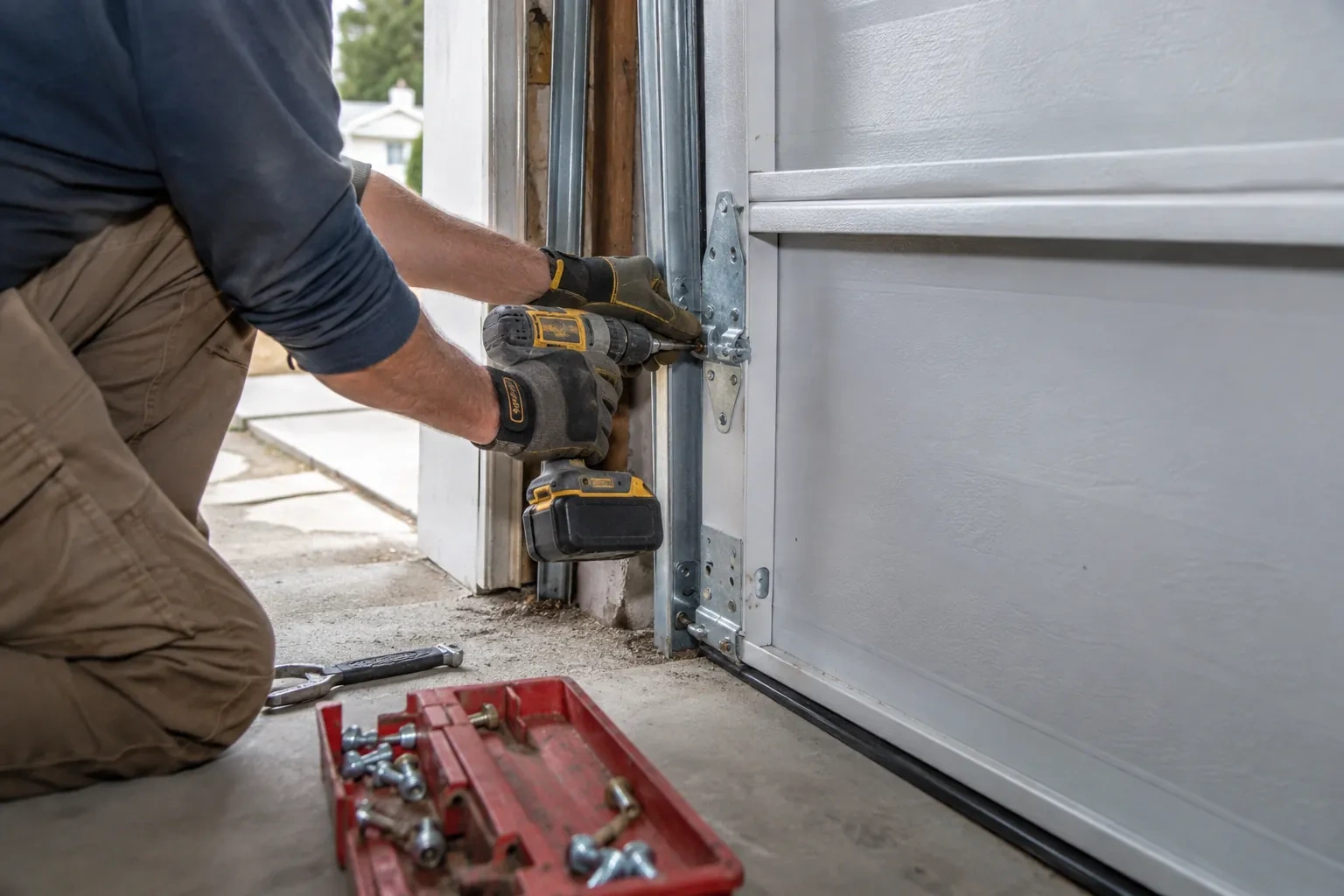
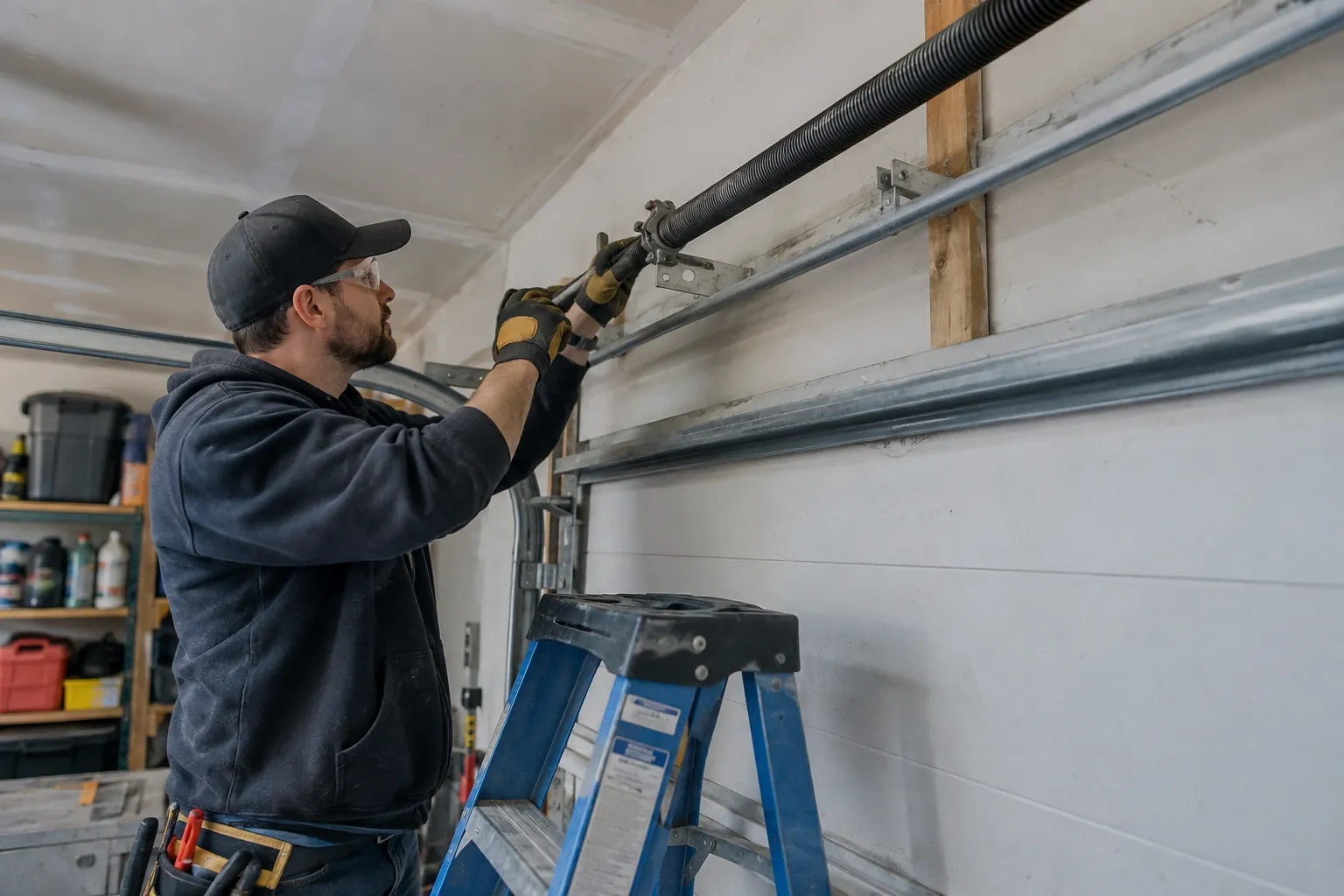
Homes in Toronto rely on the garage door more than any other entrance, and when it hesitates, grinds or stops halfway, the whole morning slows down. We look over the springs, cables, rollers and opener together, explain what has worn in plain words, and leave the door running the way it did when it was new.
Homes in Toronto rely on the garage door more than any other entrance, and when it hesitates, grinds or stops halfway, the whole morning slows down. We look over the springs, cables, rollers and opener together, explain what has worn in plain words, and leave the door running the way it did when it was new.
Honest advice, steady hands.
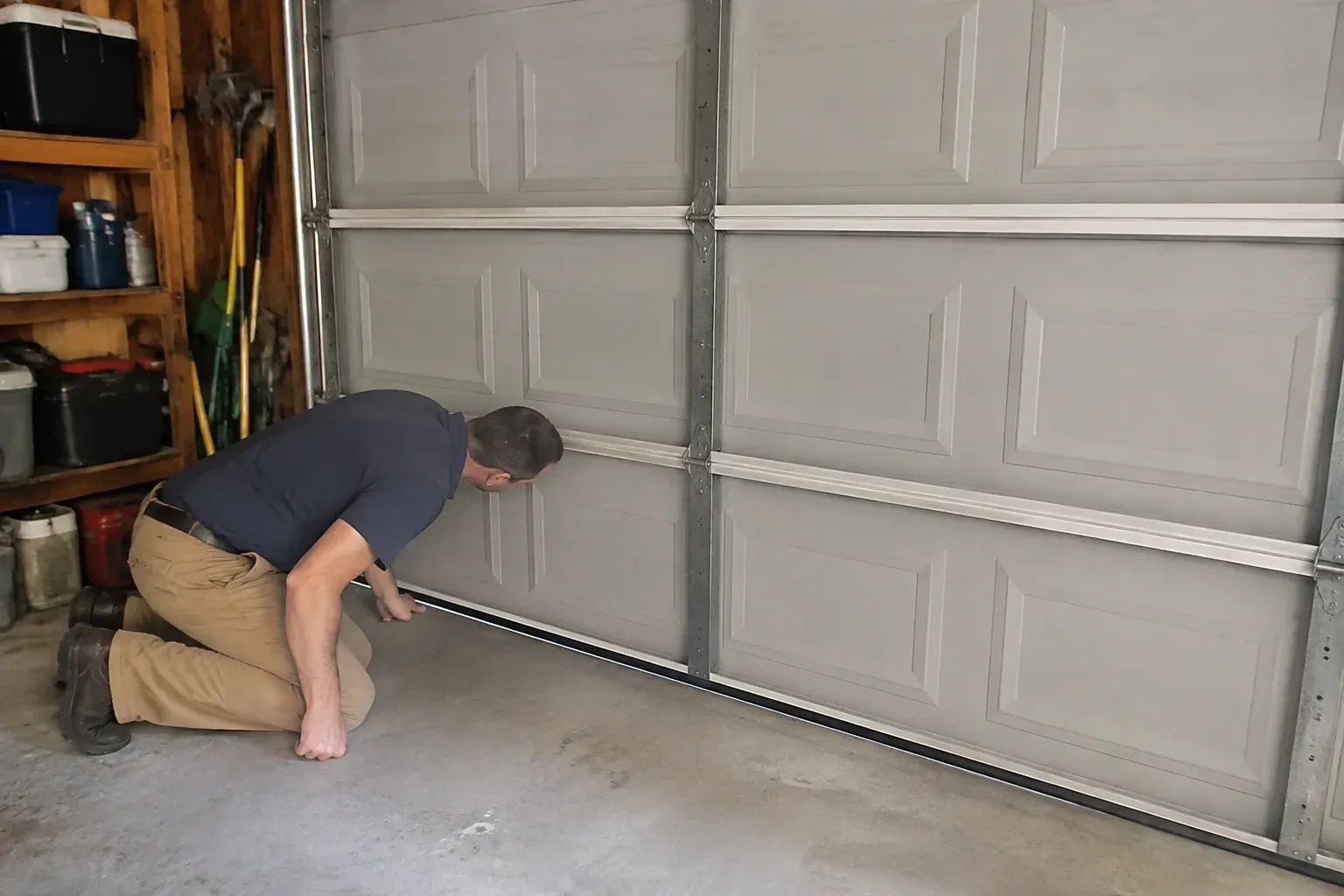
Our way of working in Toronto is simple. Listen to what you noticed, inspect the door from the bottom seal to the header, explain the cause in ordinary words, and offer the sensible options with their prices, on site, before the work begins. Parts that still have life in them are left alone.
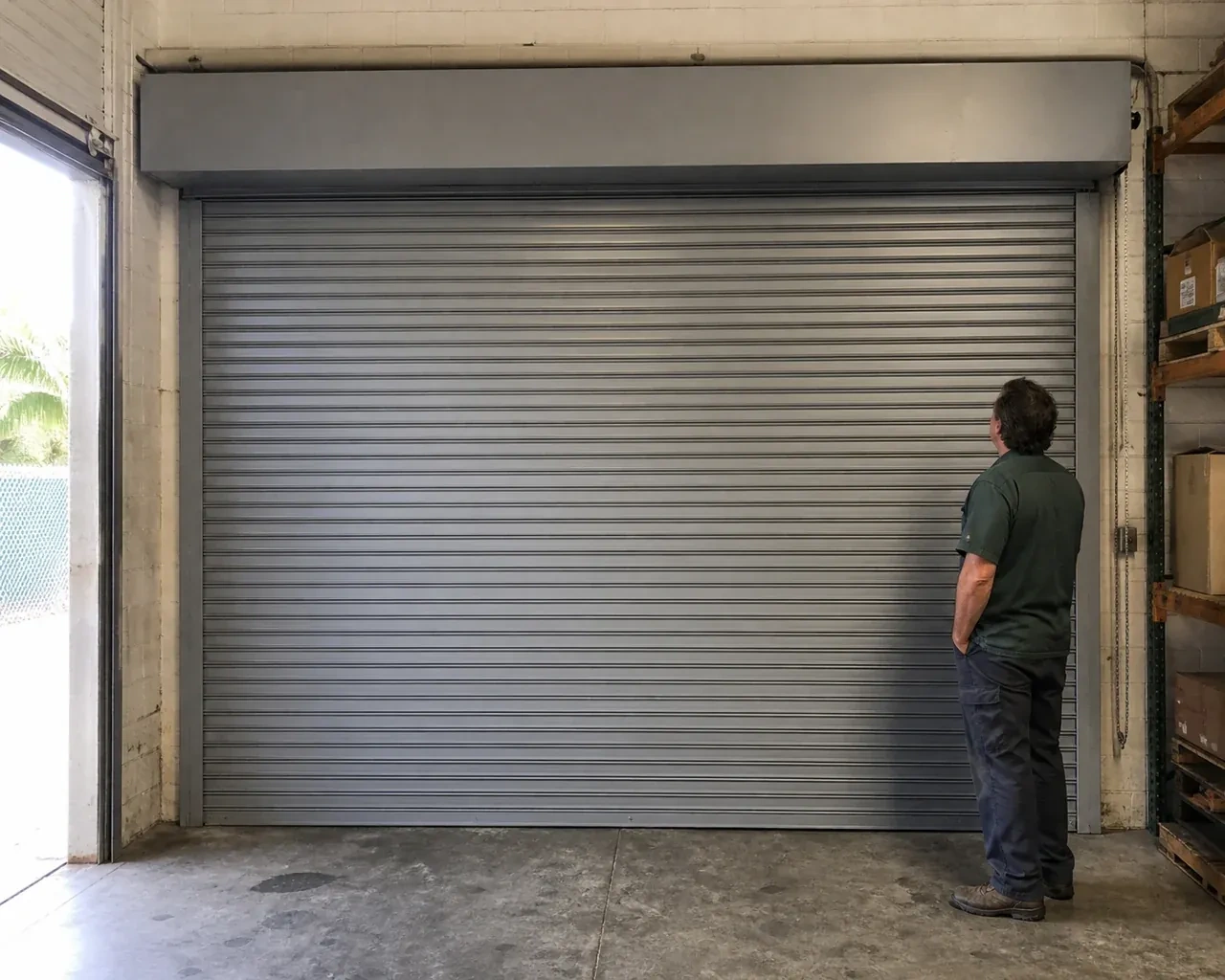
Businesses in Toronto depend on their doors more than they think about them, until one stops. We service rolling steel doors, sectional commercial doors and the heavy-duty openers that run them, keeping the right hardware on the shelf so a service call finishes the job. For homes in the area, the same technicians handle residential repairs and installations with the same care.
23years in business
24/7open every day
Plain language. No jargon, no acronyms. We describe the door's parts the way a neighbour would and answer every question as it comes.
Respect for your home. Shoes covered, tools on a mat, vehicles protected. Working in someone's garage is a privilege and we treat it that way.
Honest options. Where there is more than one way forward, you hear all of them, with the trade-offs, and choose what suits your budget and plans.
Request a visit for a stuck or noisy door in Toronto.
For homes and businesses in Toronto we handle the full run of garage door work: broken springs and cables, doors that have left the track, openers and remotes that stopped answering, worn rollers and seals, tune-ups, and new doors chosen and installed to suit the building.
About 58% of homes in Toronto were built in 1980 or earlier, according to the 2021 Census.
Older homes
Where houses are older, the garage often sits beside the house rather than beneath a bedroom, so noise is a smaller concern and durability a larger one. Heavy-duty rollers, a properly sized torsion spring and cold-rated lubricant make an old door dependable for years.
Single-detached houses make up about 23% of homes in Toronto (2021 Census).
Apartment and condo buildings often have a single heavy door protecting the whole parking level, and when it stops, everyone is affected. We prioritise these calls, carry commercial operator parts, and set up a maintenance interval matched to the number of cycles the door sees each day.
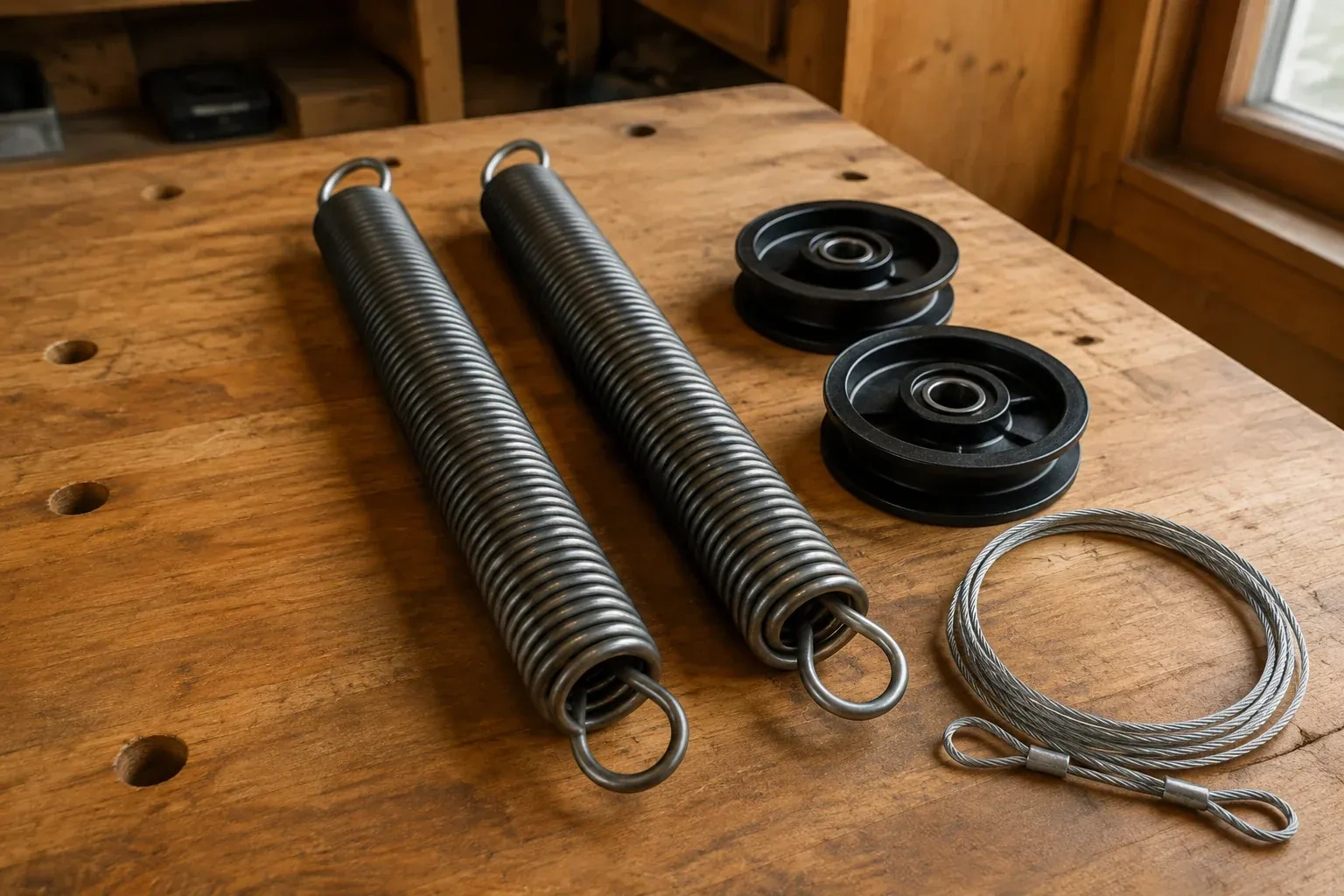
Torsion hardware is a small kit of parts that must agree with each other: spring, shaft, drums, cables, bearing plates and centre bracket. When one is replaced we check the rest, because a new spring on a worn drum does not last.
The door opens about a third of the way and stops. Turning the limit screw on the head has made no difference, and the trolley seems to sit in the wrong place along the rail when the door is fully closed.
The belt looks fine from a distance, but up close the rubber has cracked across the back in dozens of places and, in one spot, you can see the steel cords showing through.
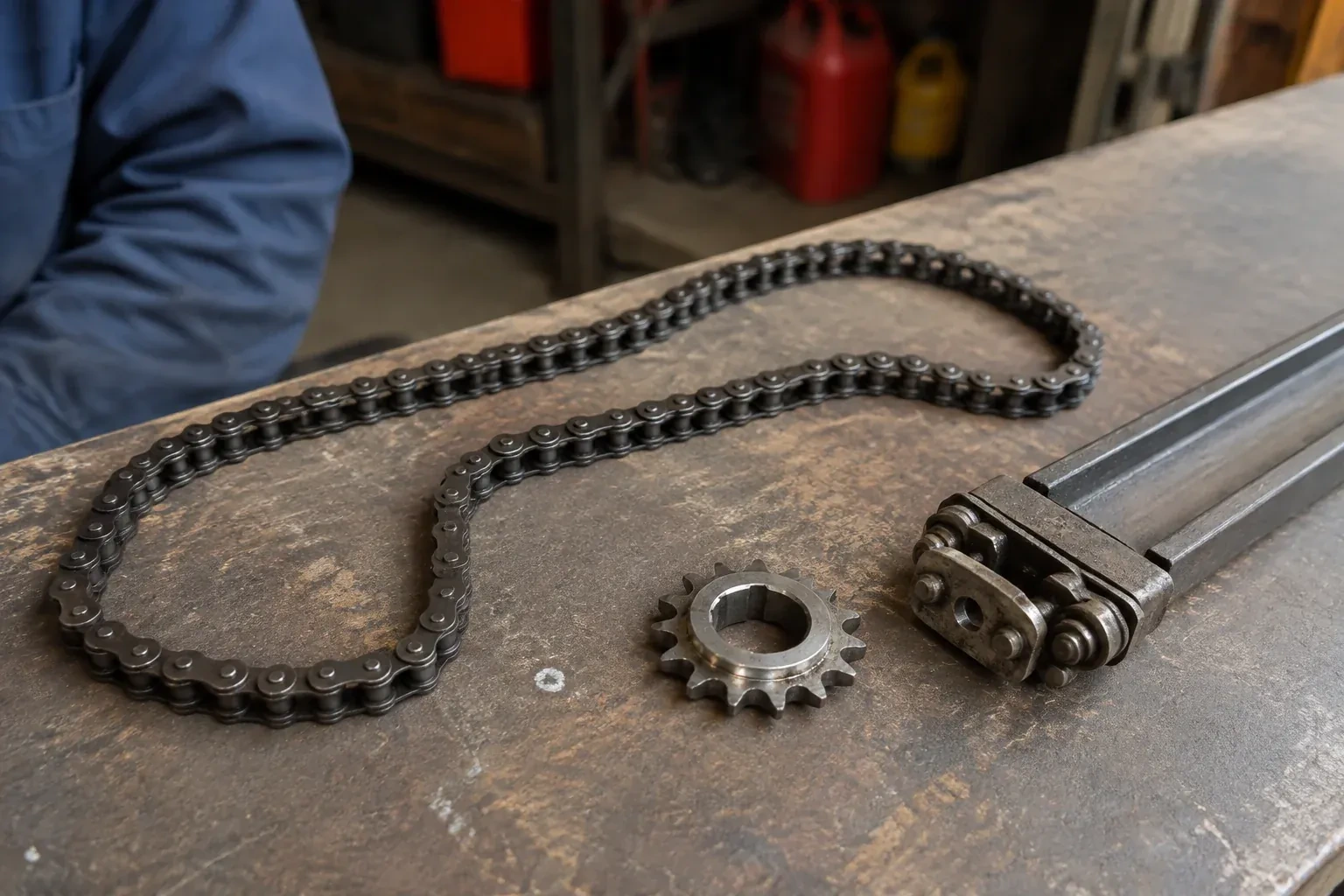
The bedroom above the garage shakes every morning at six when the chain drive fires up. Everyone in the house knows the moment someone leaves for work.
There are no sensors at the floor at all, or a previous owner has wired the pair together up beside the motor so the beam never crosses the doorway. A home inspector has just pointed it out.
The house came with a controller already screwed to the garage ceiling and a sensor on the door, but the app insists the device belongs to another account. The seller has moved provinces, the emails go unanswered, and every evening the door still reports to a stranger's phone.
After a week of lifting the door by hand you pressed the button, hoping it would catch. Instead the motor grinds, the trolley thumps against the end of the rail, and the little lever that should snap back stays stubbornly upright.
Which fix fits?
The strip under the door has gone as hard as a hose left out for ten summers.
WhyWhen permit drawings or a building designer specify wind criteria, the replacement is planned from those documents rather than from appearance alone.
You appreciate the grain and depth of traditional wood doors, though regular refinishing is not part of your plan.
WhyCarriage-house garage door installation gives a home the visual rhythm of old coach doors without requiring the panels to swing across the driveway.
At closing time, the bottom bar reaches the floor on one end while daylight remains under the other.
WhyA high-lift project can often retain sound door sections while changing the hardware that guides and balances them.
How a visit goes
Describe the property, the hardware and what has changed, and the visit starts from what you have seen.
01
One conversation
Tell us about the problem, the door and a good time to come. We confirm what to expect and roughly how the visit will go.
02
Checking the safety features
Photo-eyes, the auto-reverse setting and the emergency release are tested on every visit, whatever you called about.
03
Fixing and explaining
We do the agreed repair, explain each part that was changed and why, and run the door with you until you are comfortable with it.
An entrance. Not an afterthought.
1/10Garage Door Bottom Seal Replacement
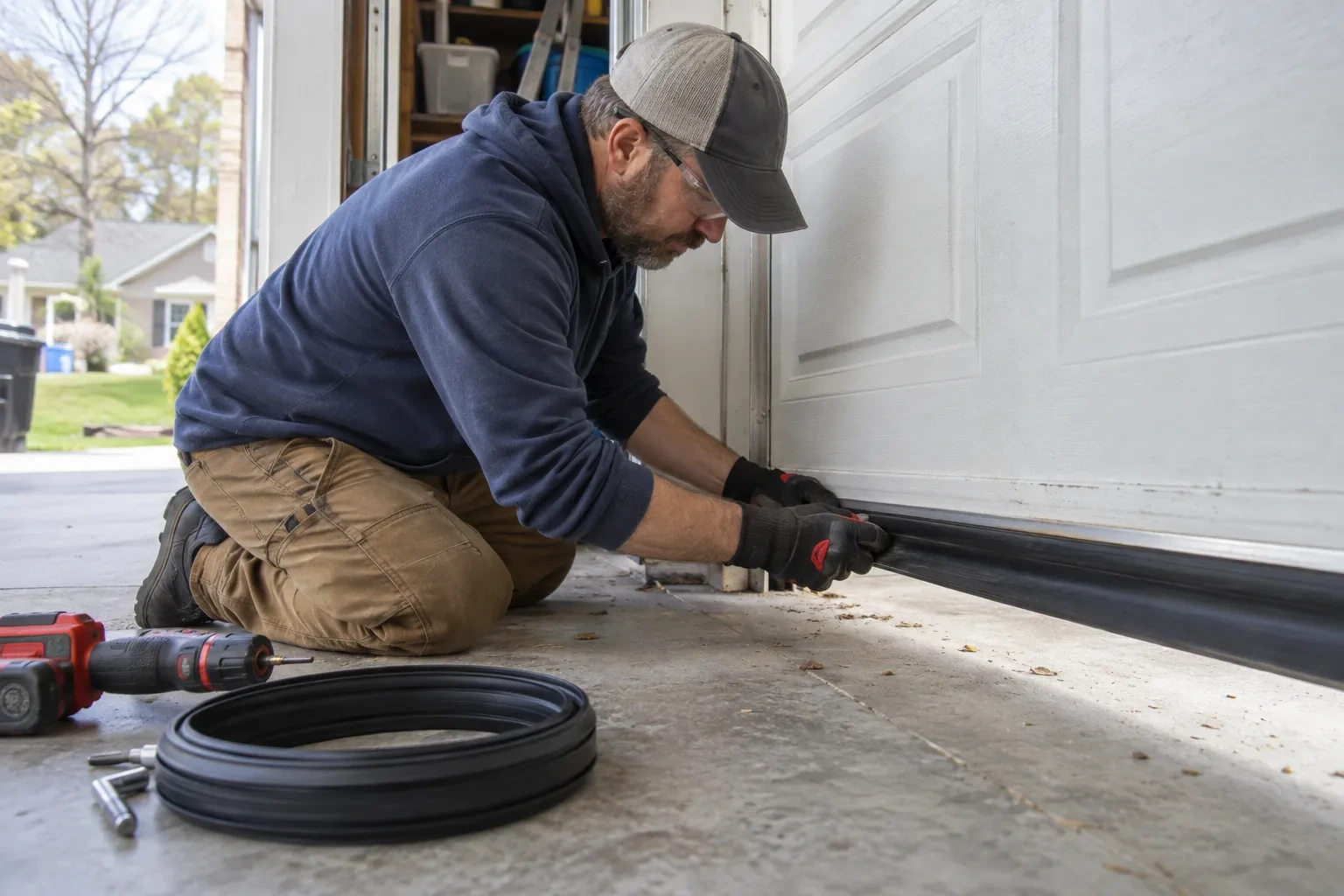
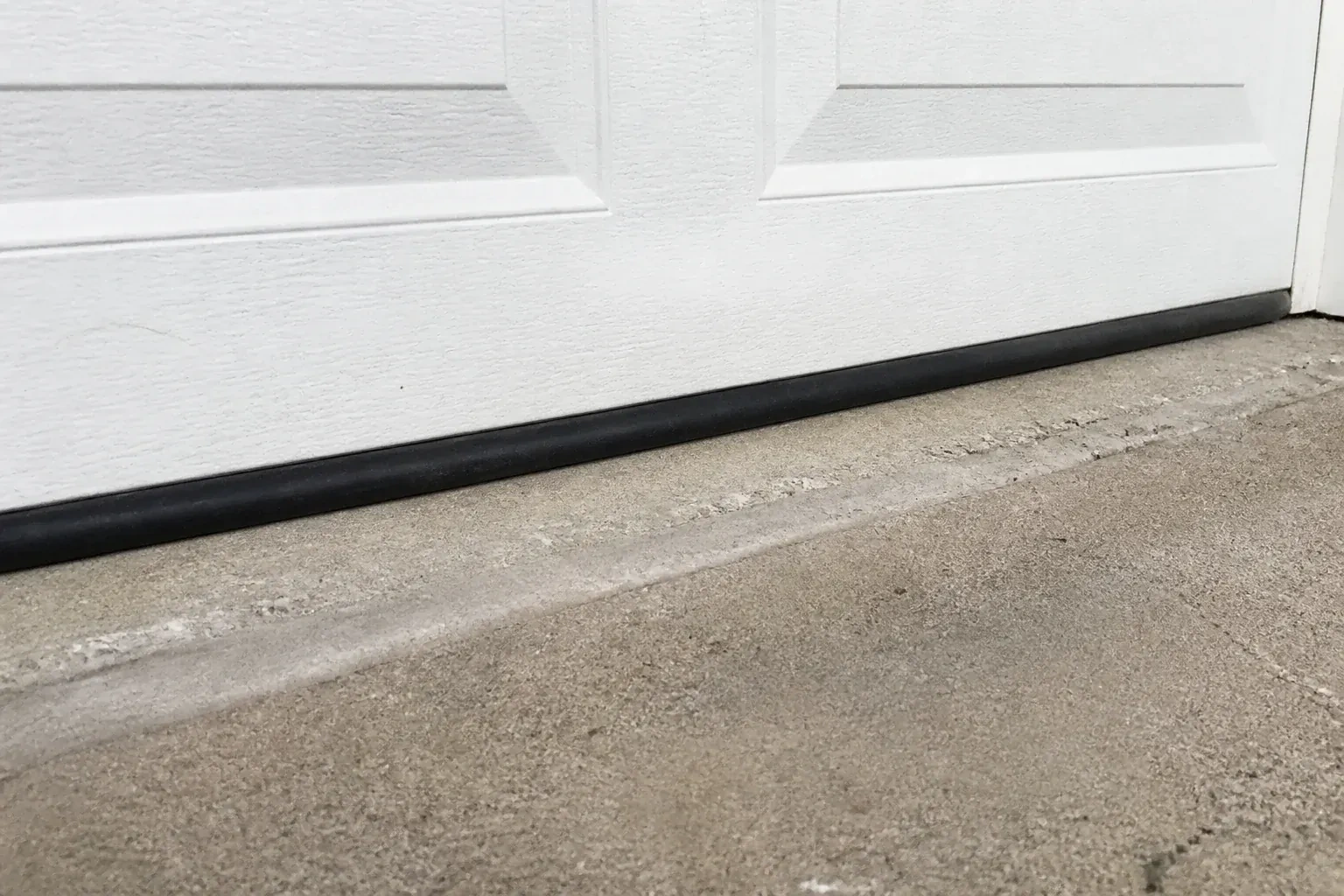
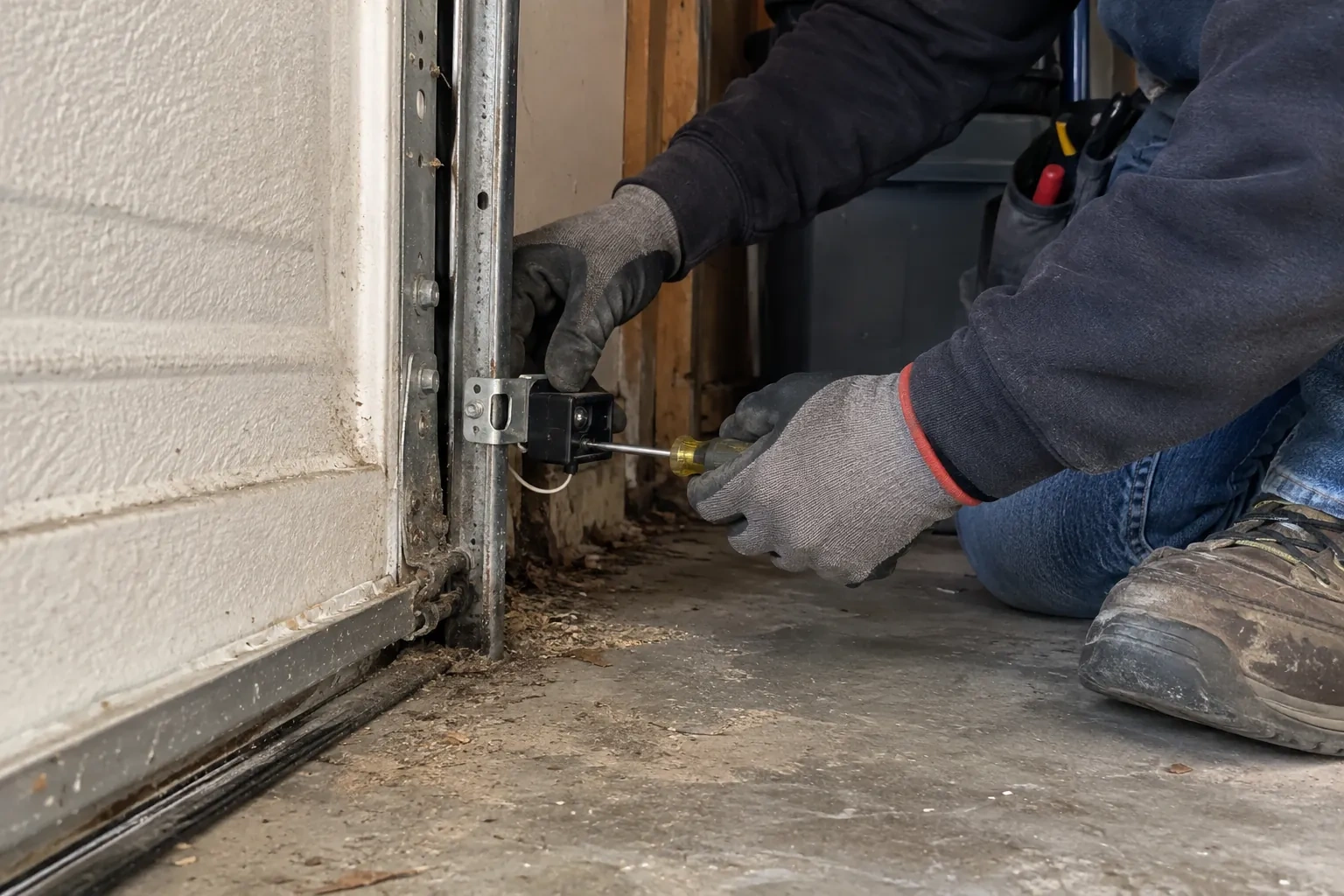
The strip under the door has gone as hard as a hose left out for ten summers. Press it and it does not give; bend it and it cracks. Where the door meets the floor it sits on the concrete without squashing at all.
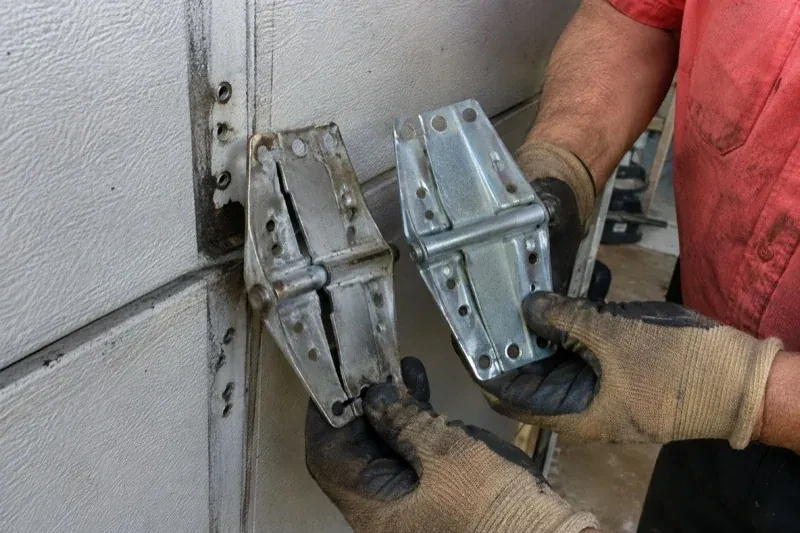
Every time the door goes up there is a sharp pop from the same spot, about a metre off the floor, and the whole door gives a little shudder. Come back down and it happens again at exactly the same place.
The door climbs with the left corner ahead of the right, then twists as it turns into the ceiling track. Looking up, the spring on the right side is stretched longer than its partner, with daylight showing between the coils.
The rail shakes when the door runs. The steel straps holding it to the ceiling have worked loose, the chain rattles the length of the garage, and a bolt has already dropped onto the hood of the car.
It is minus twenty in the detached garage and the door climbs in jerks, the belt stiff as a board. By the afternoon, when the sun has been on the door, it runs almost normally again.
After a cold night the door stays open until the garage warms up. There is frost on the sensor lenses and a ridge of salty slush piled against the brackets where the snow blower was parked.
Your renovation drawings call for a garage door with a stated design pressure, yet the existing door has no readable label or installation record. The replacement now needs to match the opening and the project documents.
You appreciate the grain and depth of traditional wood doors, though regular refinishing is not part of your plan. A durable carriage-house surface can create a similar visual effect with simpler upkeep.
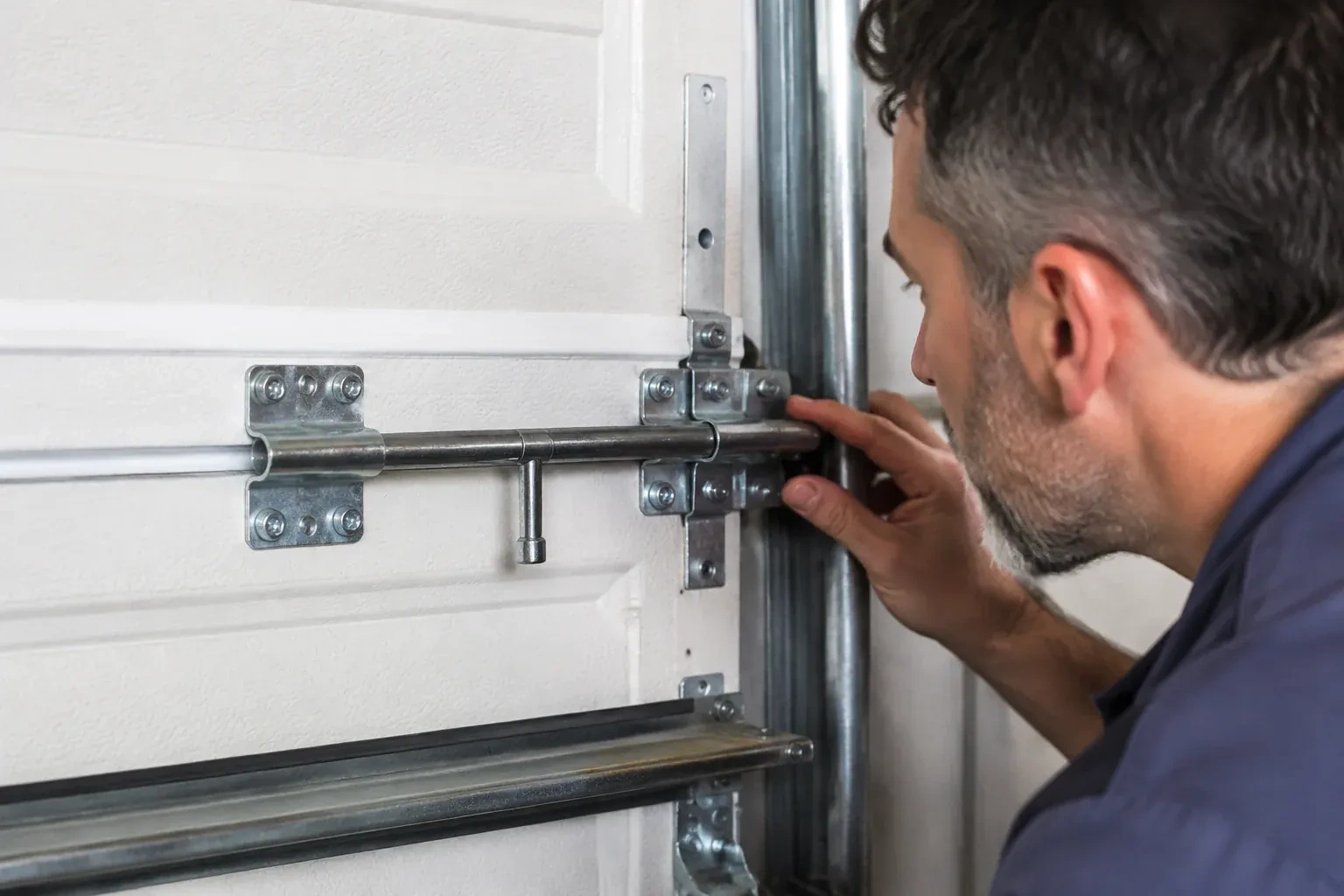
At closing time, the bottom bar reaches the floor on one end while daylight remains under the other. The slide bolts miss their keepers, leaving staff unable to secure the business opening in its usual way.
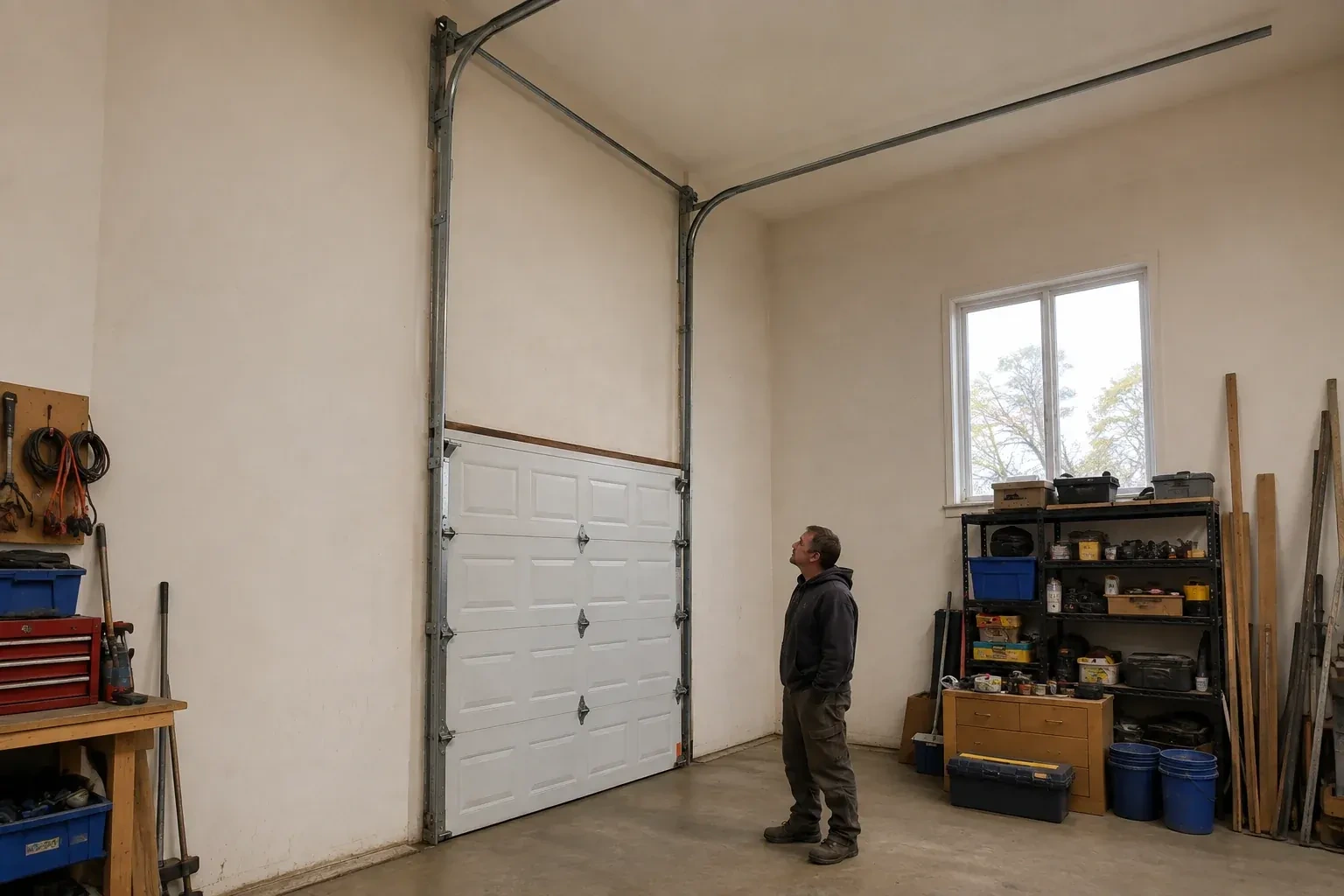
The garage has a tall ceiling, yet the horizontal tracks sit much lower than the lights and joists. That unused wall height makes the open door feel like a low shelf across an otherwise generous room.
Should the side and top weatherstripping be replaced at the same time?
It is worth having them looked at while the technician is there. The vinyl fin on the stop moulding around the jambs and header shrinks, tears and hardens on the same schedule as the bottom seal, and a draft that survives a new bottom seal usually comes from the sides. Doing the perimeter in the same visit saves a return trip and leaves the door sealed on all four edges.
Will new hinges make the door quieter?
Often noticeably. A cracked or loose hinge is the source of many pops, clicks and rattles, and a hinge that holds its roller square lets the wheel run flat instead of scraping the track lip. Combined with fresh lubricant on the knuckles and rollers, the door settles into a steady rumble. Any noise that remains usually points to the rollers, the opener chain or the springs, which the technician can identify for you.
Should I try to open the door by hand before the technician arrives?
No need, and it is easier on the door if you leave it. With a spring broken or slack, the door is unbalanced and heavy, and lifting it can let it drop or twist a section in the track. If the door is stuck partway, leave it there and keep people and the car away from the opening. The technician brings clamps and props, and the door is secured before it is moved at all.
What is the trolley, and why would it get stuck?
The trolley is the carriage that rides along the rail, pulled by the chain, with the door arm hooked to it. It gets stuck when the travel limits creep and it is driven onto the stop bolt at the head end or the stop tab at the door end, where the motor hums but nothing moves. The technician slackens the chain, runs the trolley off the stop under power, and pulls the limit back so it stops short in future.
What information helps when I book a belt-drive repair?
The make and model printed on the motor head, roughly how old the operator is, what the belt is doing and what it sounds like, when it started, whether the red cord has been pulled and whether anyone has adjusted anything. A photograph along the rail showing the belt, and one of the label, settle most questions before the visit.
Will the sensors need replacing or just aligning?
Most visits end in alignment, cleaning and bracket work, because the sensors themselves are hardy. Replacement comes into it when a lens has clouded or crazed, when the housing is split or holds water, an indicator stays dark with the wiring proven good, or the pair is from a different generation than the opener and is never recognised. The technician tests before choosing, so the parts list matches what the door needs.
What information should I provide before the visit?
Share the finished opening size if known, photos from inside and outside, any door labels, renovation drawings, permit notes, design pressure, and details about recent wind movement or damage. Mention windows, insulation, ceiling obstructions, and the existing opener. These details help the technician prepare a focused survey while measurements and mounting conditions are still verified on site.
How are two side-by-side doors made to look consistent?
The layout uses shared reference lines for window height, panel divisions, handles, strap accents and exterior trim. Each opening is still measured separately because floors and jambs can differ. Samples and elevation drawings help resolve whether both doors use identical patterns or coordinated versions scaled to their widths. Installation then checks closed position and seal contact independently while preserving the planned visual alignment.
When is operator replacement considered?
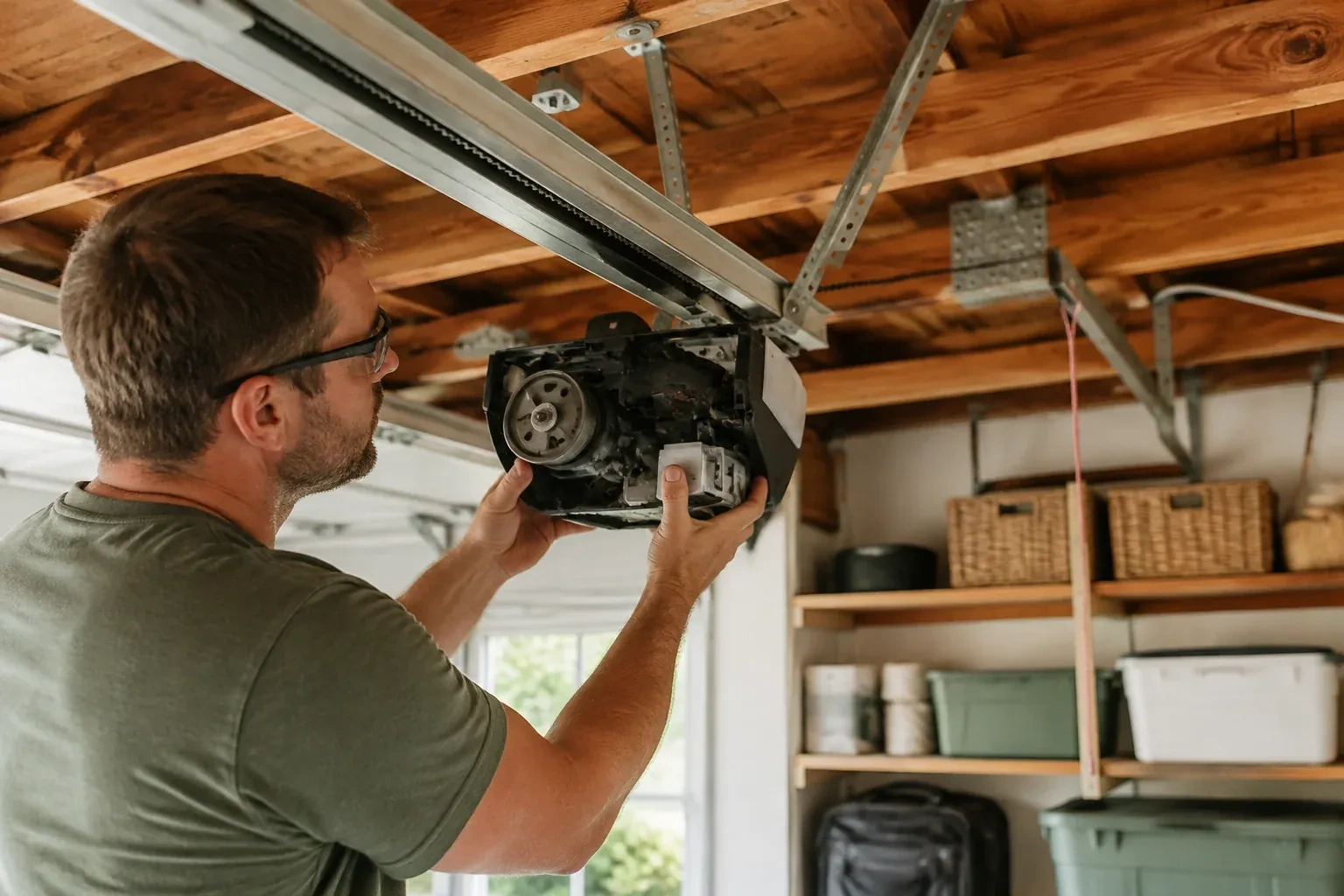
A broader operator plan may be considered when major drive or control parts are extensively worn, suitable components are no longer supported, the unit is mismatched to the door or duty, or the desired control arrangement requires a different system. The door's balance, size, cycle pattern, protection devices, power and manual operation all inform that decision.
Is structural work always included in the conversion?
Door hardware needs suitable attachment points, but framing changes are defined separately when required. The assessment records jambs, header, ceiling support and back-hang locations, then identifies any condition needing input from the responsible building professional or another trade. A clear proposal distinguishes door-system installation from structural, electrical and finish work so responsibilities are easy to coordinate.
Request a visit
Our way of working in Toronto is simple. Listen to what you noticed, inspect the door from the bottom seal to the header, explain the cause in ordinary words, and offer the sensible options with their prices, on site, before the work begins. Parts that still have life in them are left alone.