Garage Doors in Humber Summit, OntarioHeavy door.Steady hands.
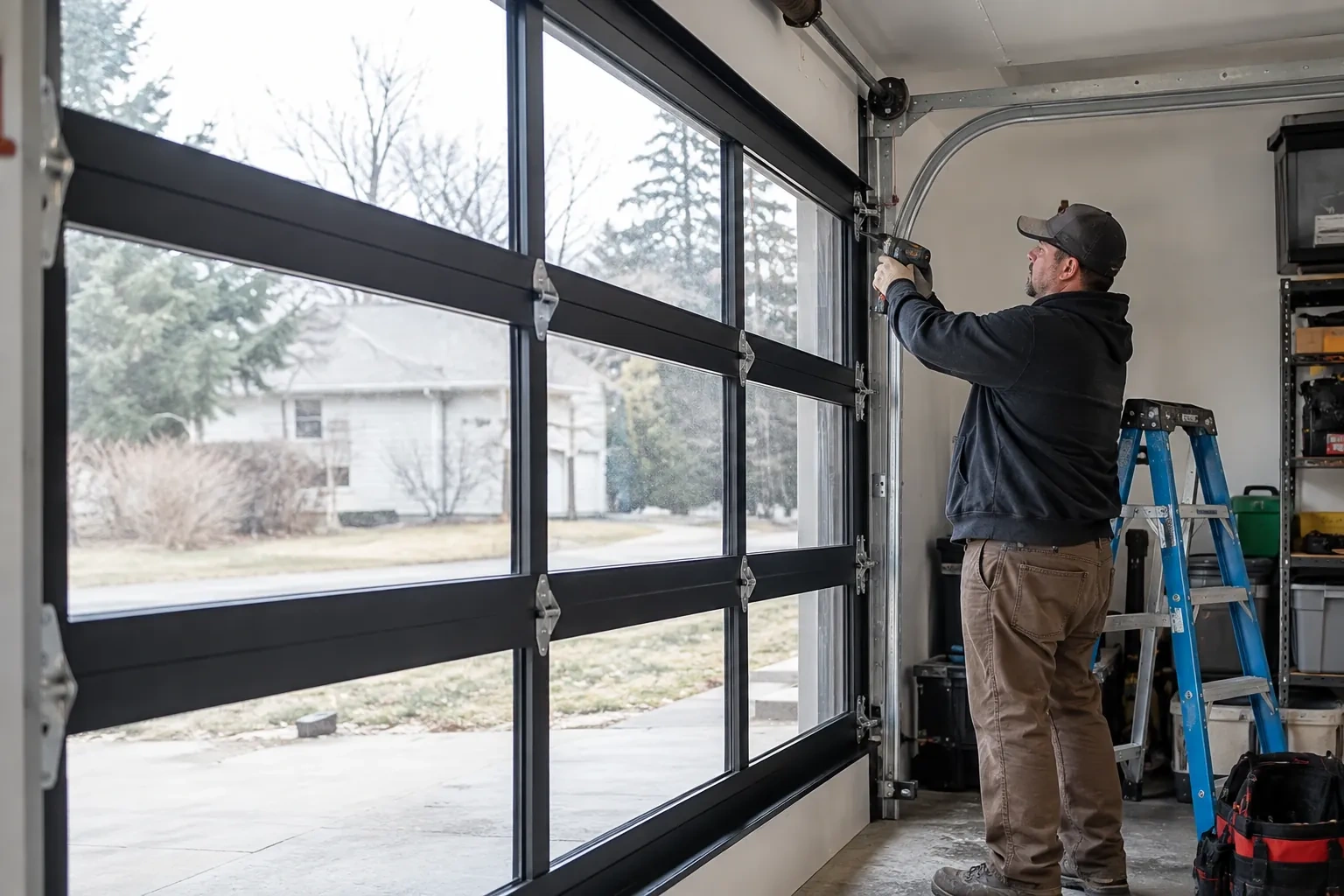
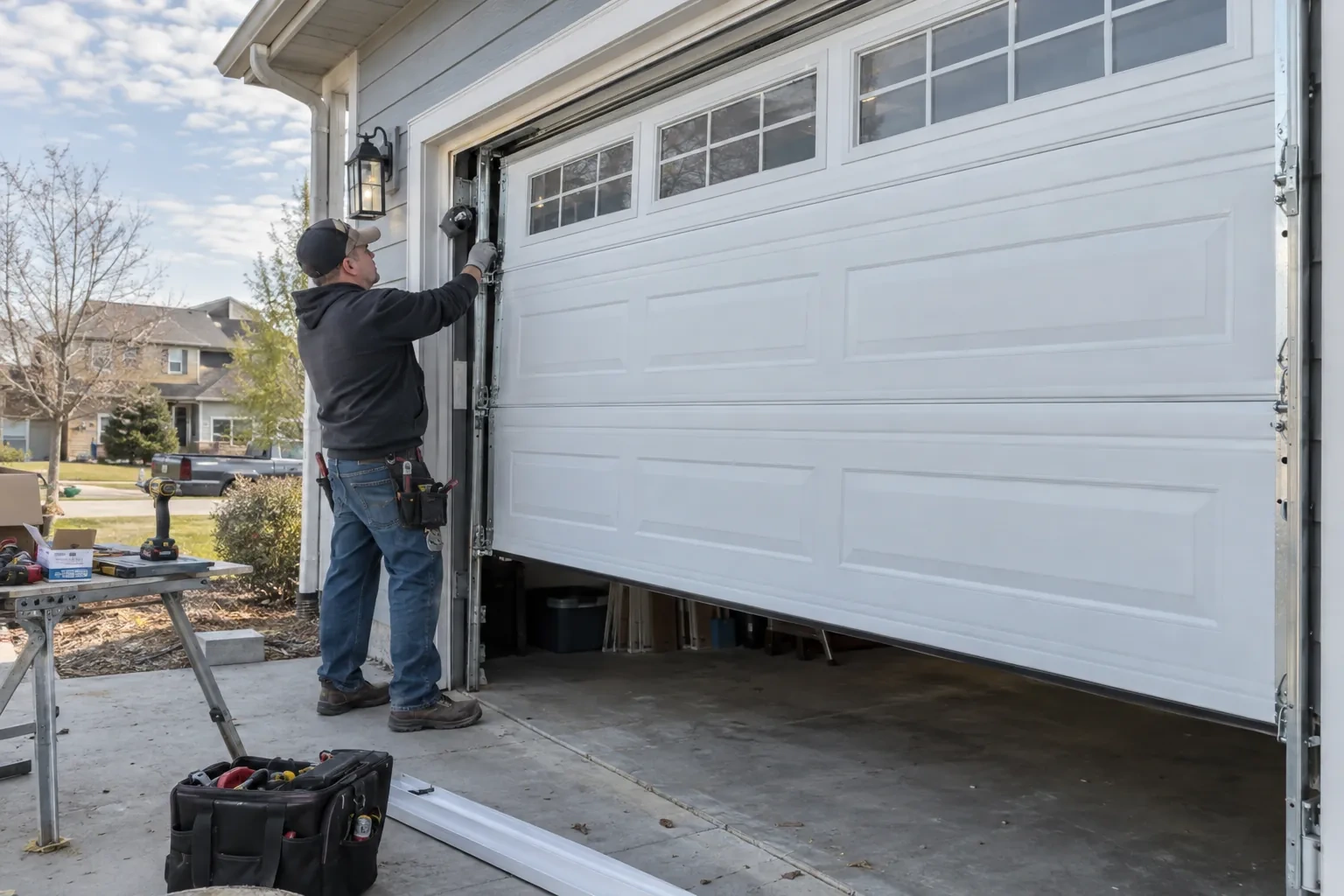
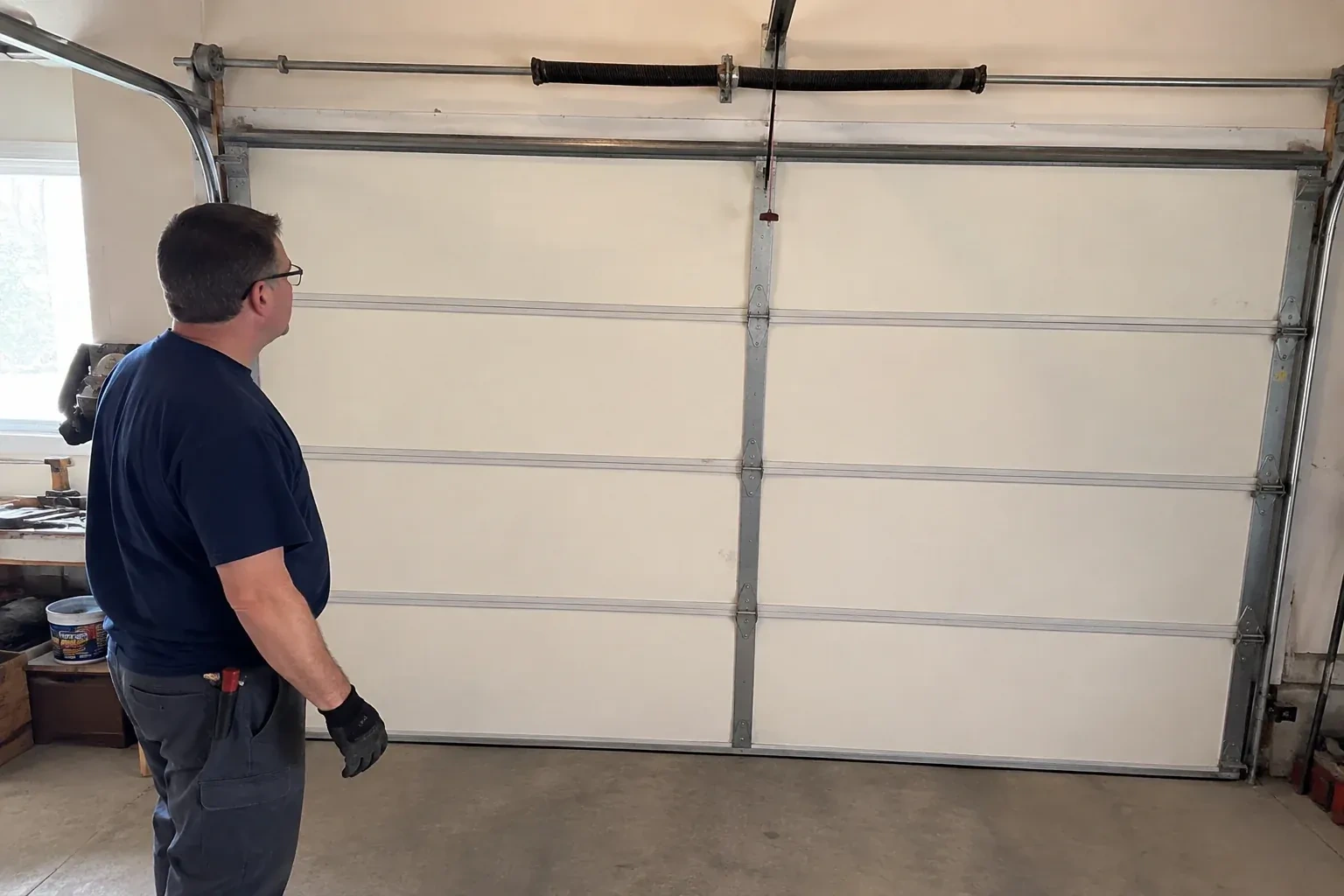
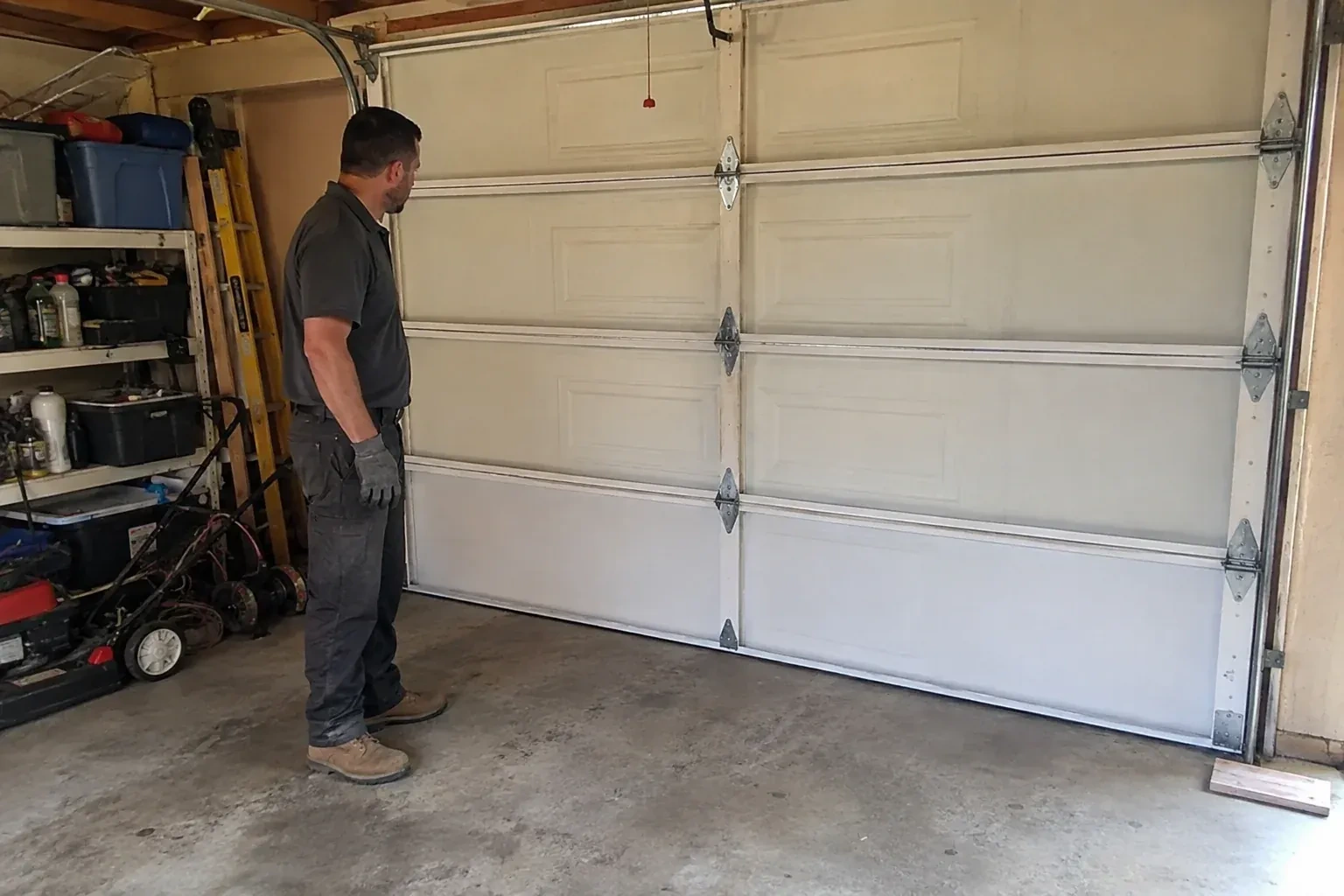
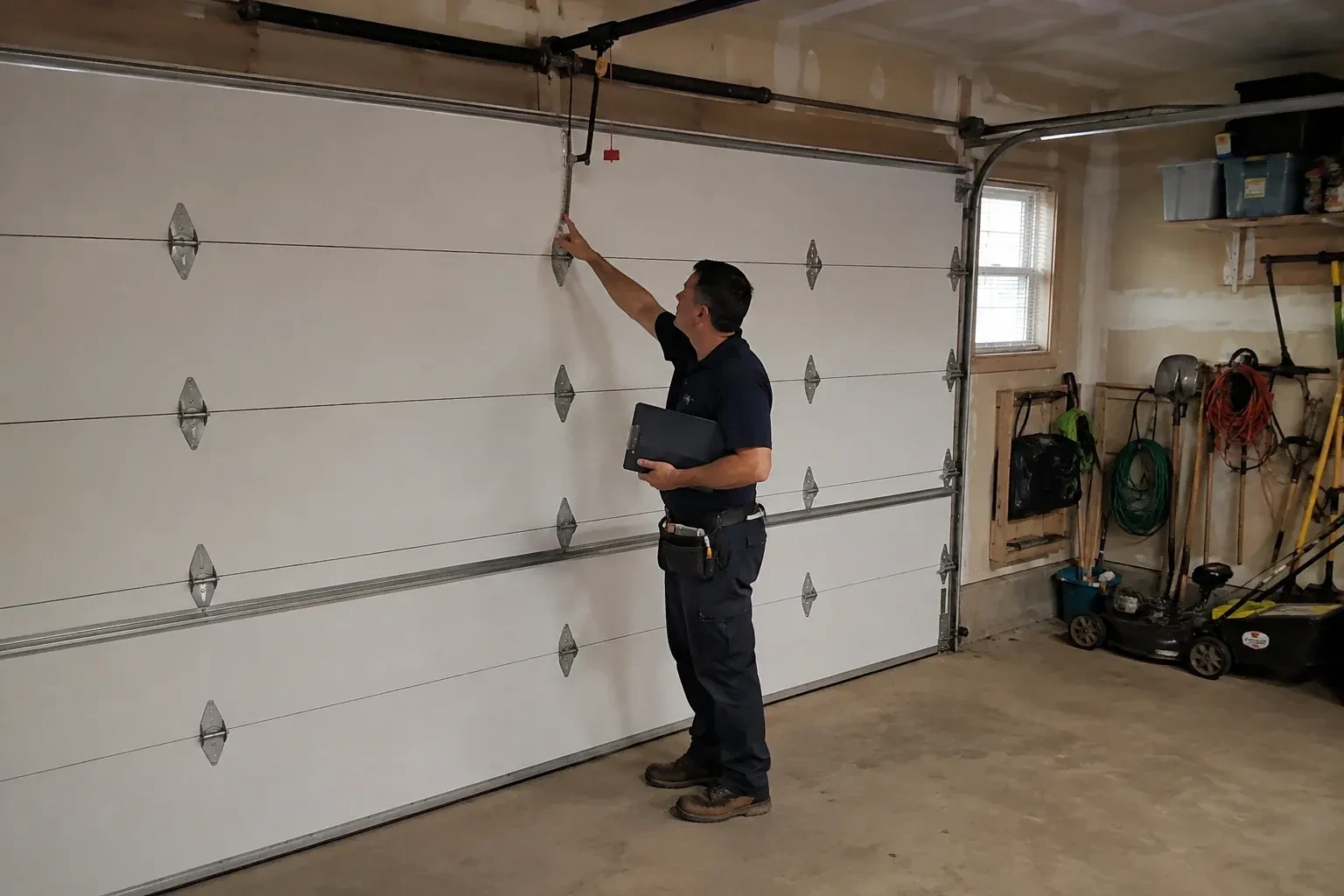
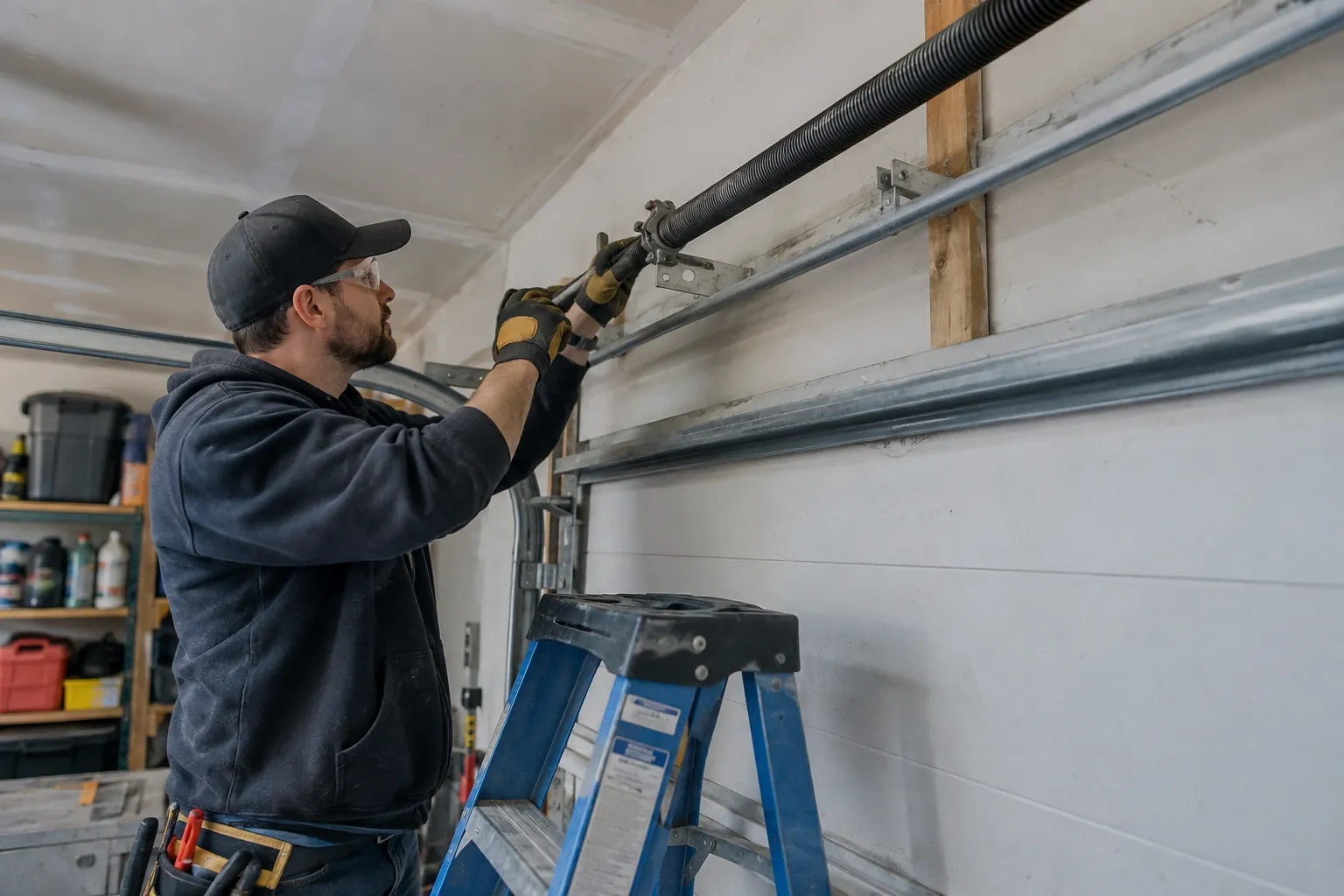
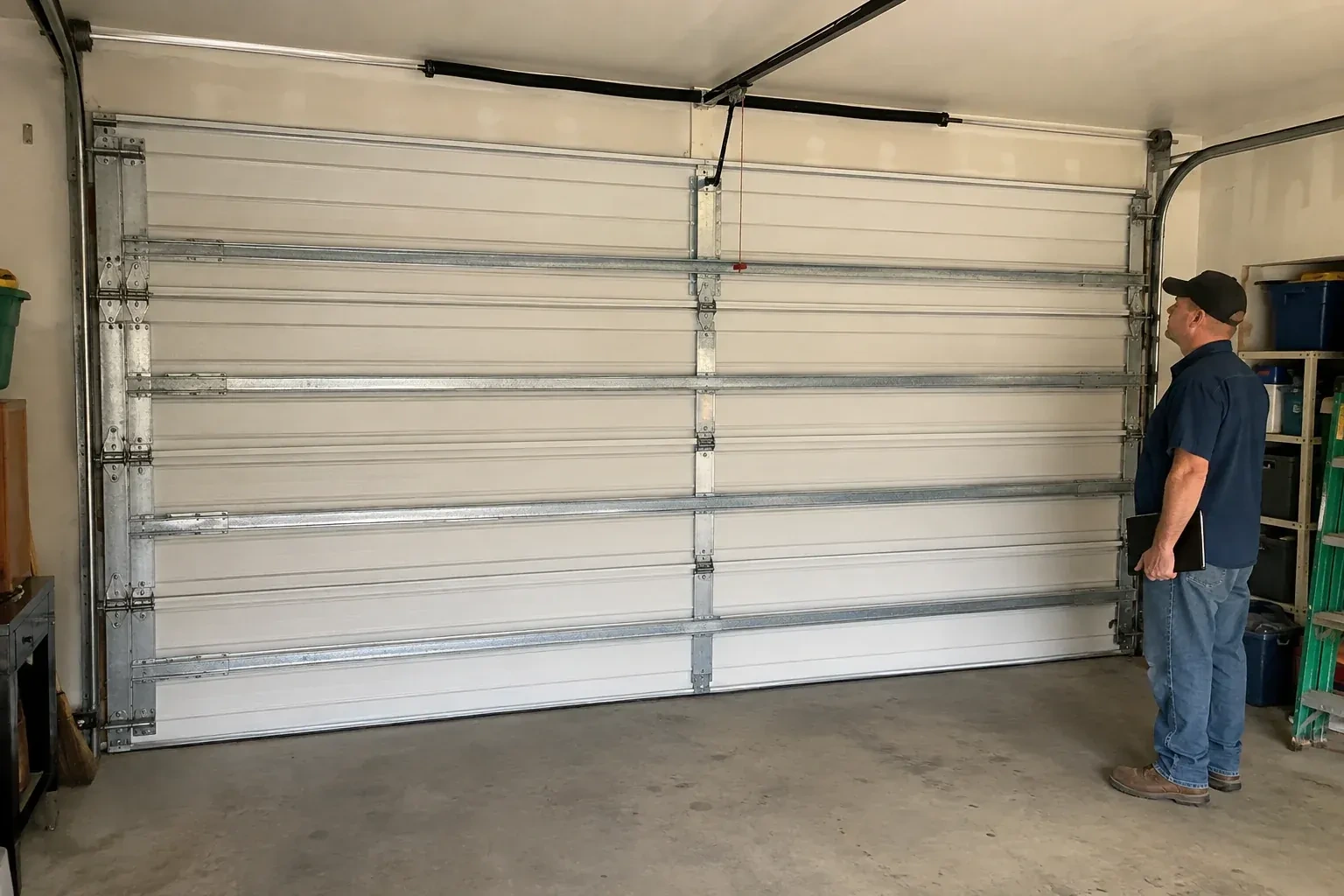
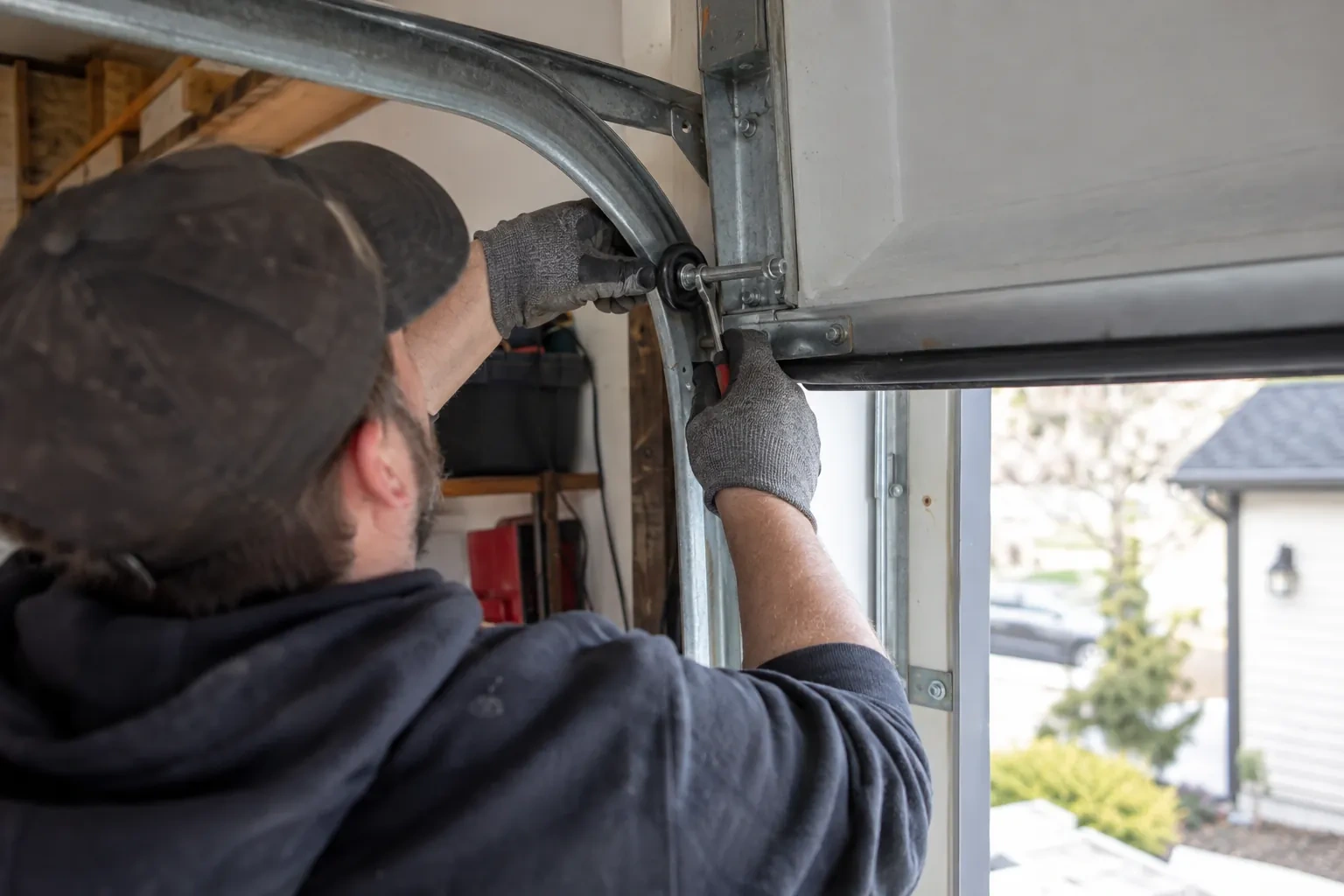
A residential garage door can weigh as much as two grown adults, and the springs above it are wound to carry exactly that load. Our technicians in Humber Summit work with winding bars, clamps and stands, secure the door before touching tension, and run it through full cycles before they call the job finished. The same crew covers Claireville and Emery.
A residential garage door can weigh as much as two grown adults, and the springs above it are wound to carry exactly that load. Our technicians in Humber Summit work with winding bars, clamps and stands, secure the door before touching tension, and run it through full cycles before they call the job finished. The same crew covers Claireville and Emery.
Honest advice, steady hands.
People in Humber Summit tend to remember two things about a visit from us: the technician showed them the worn part rather than just naming it, and the number he gave on site was the number on the invoice. That is how every job runs, from a single roller to a full new door.
Garage doors in Humber Summit see the same hard winters as the rest of the region, and our technicians visit the neighbourhood often enough to know what that does to springs, seals and rollers. Whether your door has stopped lifting, started making a new noise or is due for a replacement, we come out with a stocked van, look at the whole door, and explain what we find before any work begins.
23years in business
24/7open every day
Plain language. No jargon, no acronyms. We describe the door's parts the way a neighbour would and answer every question as it comes.
Respect for your home. Shoes covered, tools on a mat, vehicles protected. Working in someone's garage is a privilege and we treat it that way.
Honest options. Where there is more than one way forward, you hear all of them, with the trade-offs, and choose what suits your budget and plans.
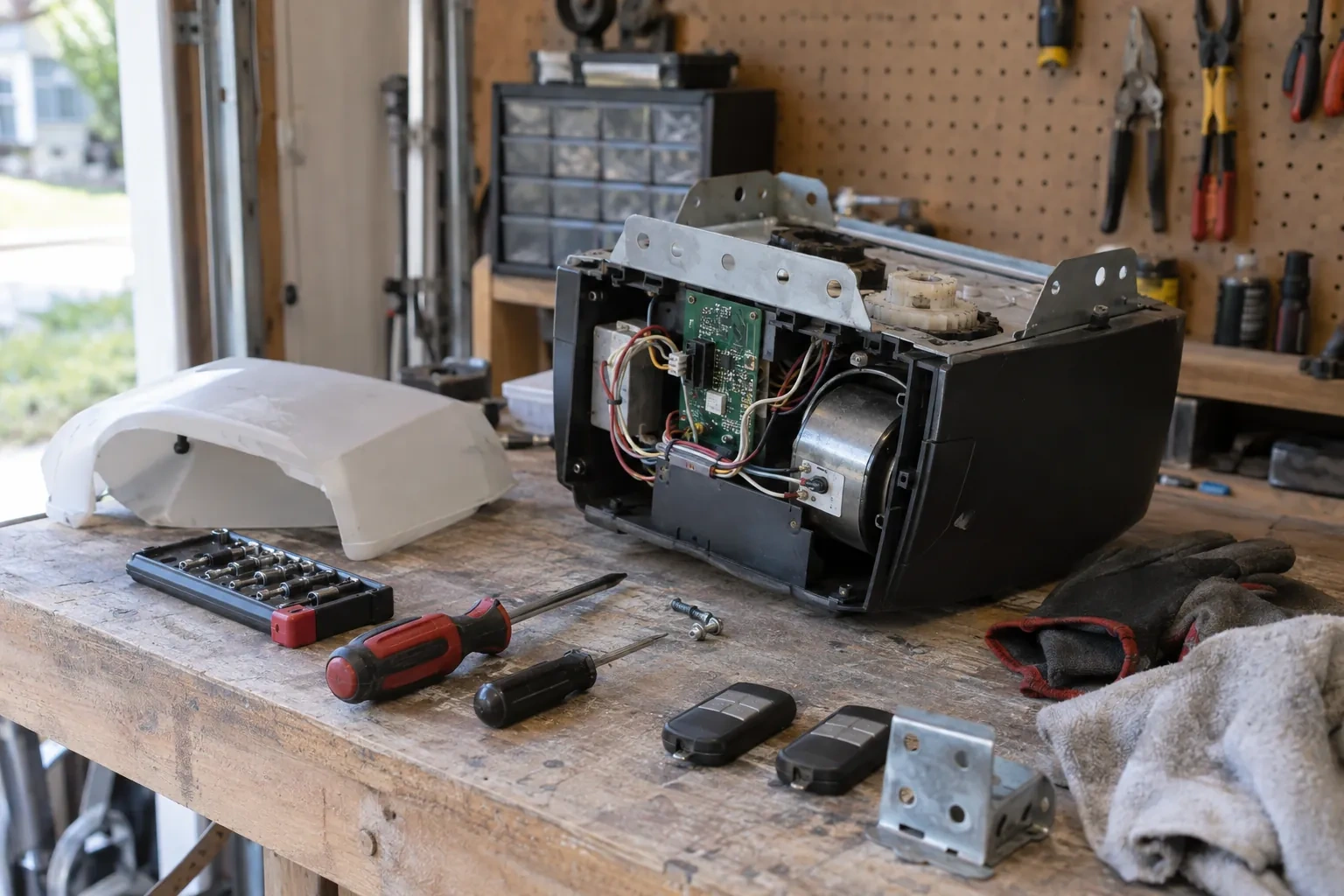
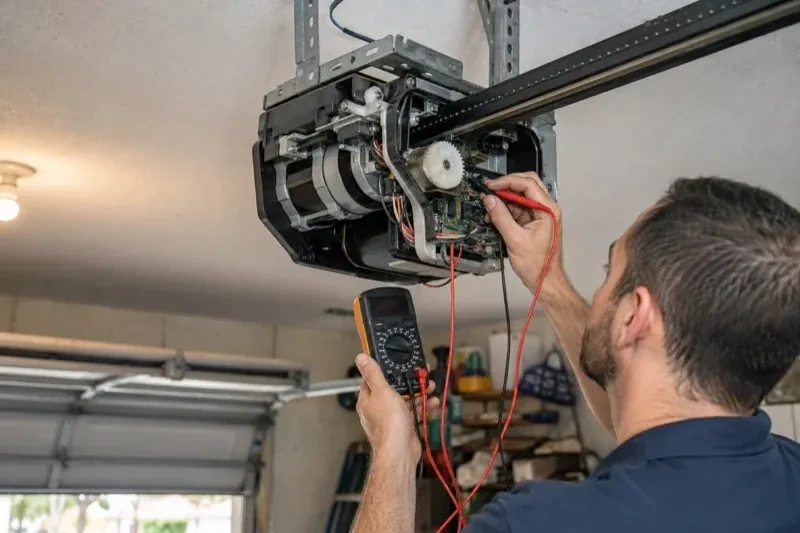
A garage door in Humber Summit is really three systems working together: the door and its panels, the springs and hardware that carry the weight, and the opener that does the lifting. Our services are organised the same way, so you can find help for the part that is giving trouble.
About 58% of homes in Toronto were built in 1980 or earlier, according to the 2021 Census.
Older homes
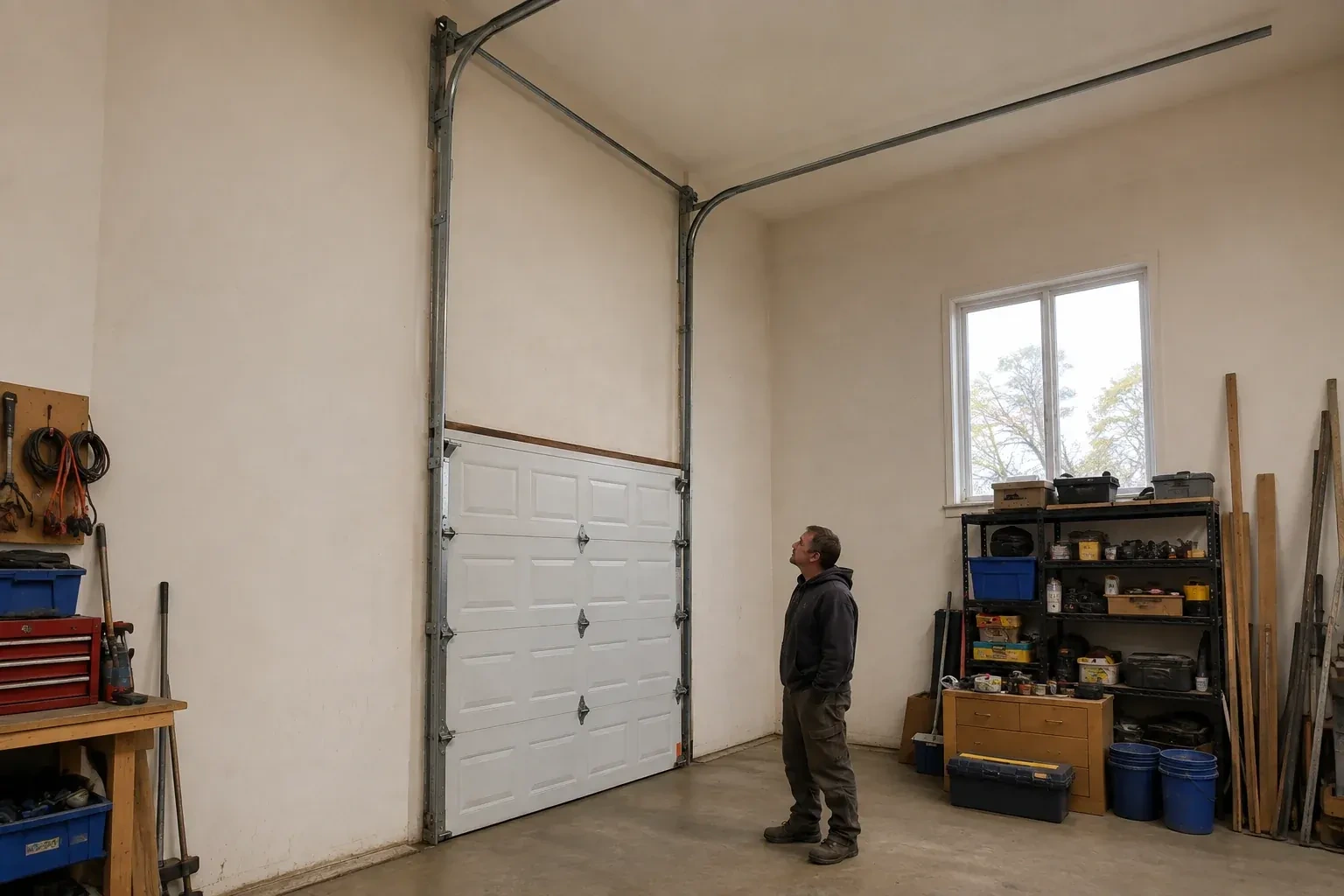
Older garages tend to have lower headroom and narrower single openings, so replacement doors and openers are chosen to fit the space rather than the other way round. Measuring the header, side room and ceiling depth is the first step on every one of these visits.
Single-detached houses make up about 23% of homes in Toronto (2021 Census).
In attached housing, a resident's remote or fob may open both their own door and a shared gate, and lost devices are a real security concern. We clear old codes from the operator, program replacements, and explain to management how to keep the access list current.
Torsion hardware is a small kit of parts that must agree with each other: spring, shaft, drums, cables, bearing plates and centre bracket. When one is replaced we check the rest, because a new spring on a worn drum does not last.
New construction, full replacement and layout changes. We handle the whole installation, from measuring the rough opening to programming the remotes on the finished door.
The door opens about a third of the way and stops. Turning the limit screw on the head has made no difference, and the trolley seems to sit in the wrong place along the rail when the door is fully closed.
The belt looks fine from a distance, but up close the rubber has cracked across the back in dozens of places and, in one spot, you can see the steel cords showing through.
The bedroom above the garage shakes every morning at six when the chain drive fires up. Everyone in the house knows the moment someone leaves for work.
There are no sensors at the floor at all, or a previous owner has wired the pair together up beside the motor so the beam never crosses the doorway. A home inspector has just pointed it out.
The house came with a controller already screwed to the garage ceiling and a sensor on the door, but the app insists the device belongs to another account. The seller has moved provinces, the emails go unanswered, and every evening the door still reports to a stranger's phone.
After a week of lifting the door by hand you pressed the button, hoping it would catch. Instead the motor grinds, the trolley thumps against the end of the rail, and the little lever that should snap back stays stubbornly upright.
Which fix fits?
Your car is inside and the door is stuck crooked across the opening.
WhyA sectional garage door is built from four or five horizontal sections joined by hinges, each riding on its own rollers in the tracks.
The bedroom over the garage is always the cold room, and standing in the garage you can feel why: a steady draft along the door edges that moves the cobwebs on the wall.
One of the little wheels along the edge of the door has a chunk missing, another sits crooked in its hinge, and there is a fine grey dust on the floor under the track where plastic has been wearing away.
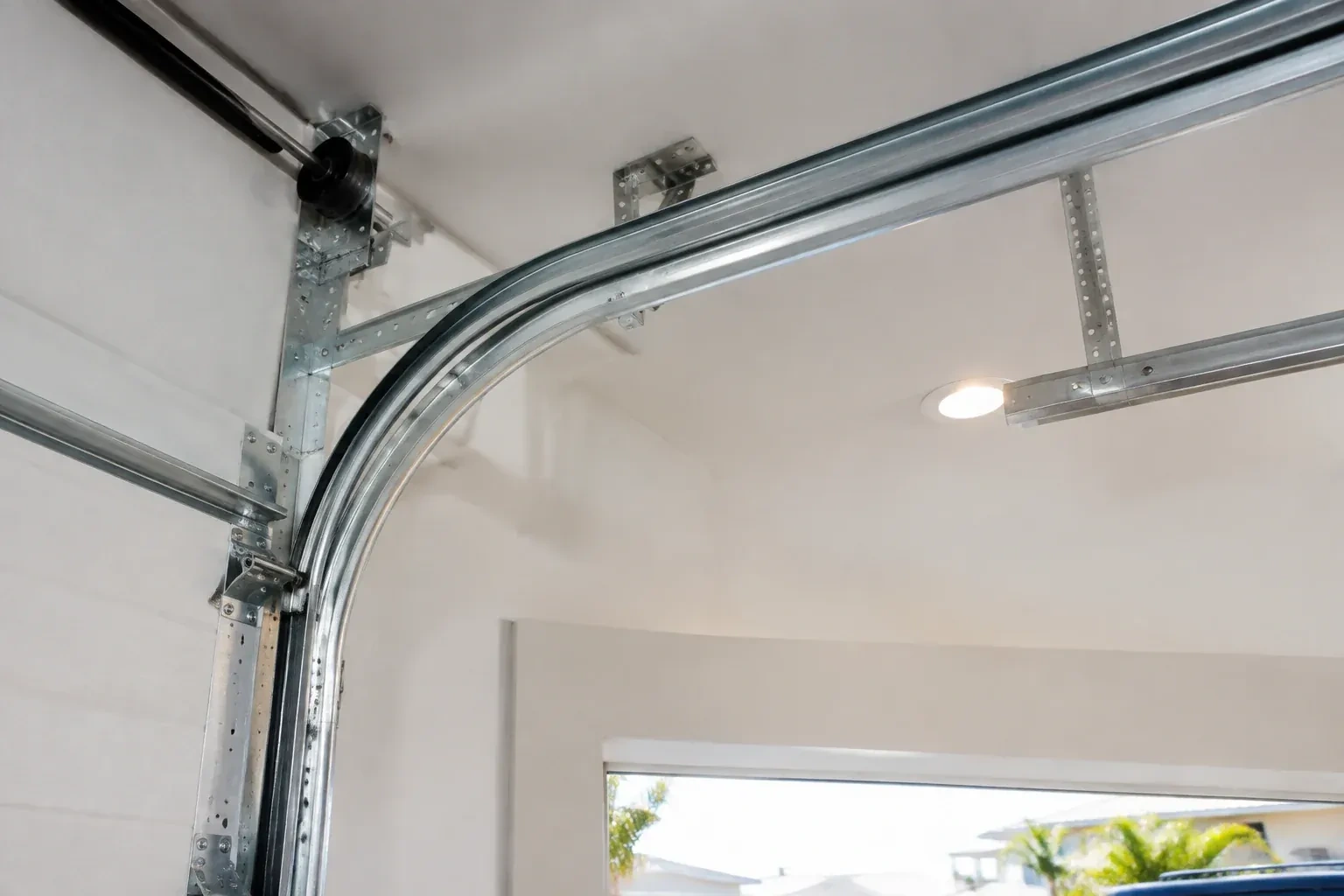
WhyThe track is the pair of steel channels that guide every roller on a sectional garage door: a vertical run fixed to each jamb, a curve overhead, and a horizontal run hung from the ceiling.
The door drops the last stretch to the floor rather than settling, and when you stop it halfway by hand it slides down instead of staying put.
WhyGarage doors are balanced by one of two spring systems, and the extension kind is the one you find on many single-car doors and older detached garages.
Someone backed the car in a little too far, a bin or a bicycle brushed the track, and since then the door starts to close and comes back up.
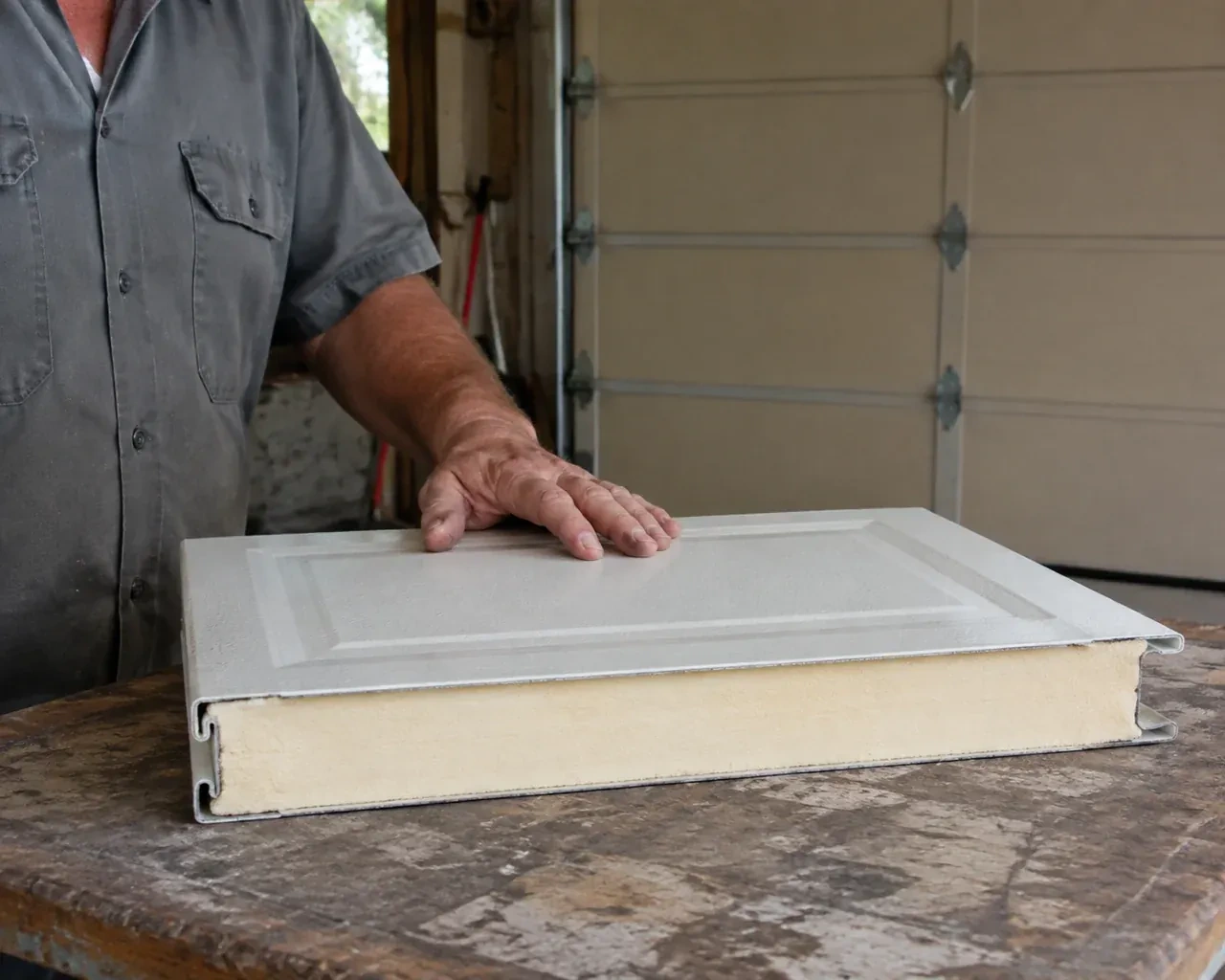
WhyWindows can be incorporated into an insulated steel garage door when light and appearance are priorities.
An entrance. Not an afterthought.
1/10Off-Track Garage Door Reset
Your car is inside and the door is stuck crooked across the opening. Pushing the wall button just makes the motor hum, and one section is bent where a roller has climbed out of the curve at the top of the track.
After an overnight freeze the door stuck to the slab, the opener strained, and something gave. The bottom section is bowed inward, one hinge has torn free of its screws, and the rubber seal along the bottom no longer sits flat.
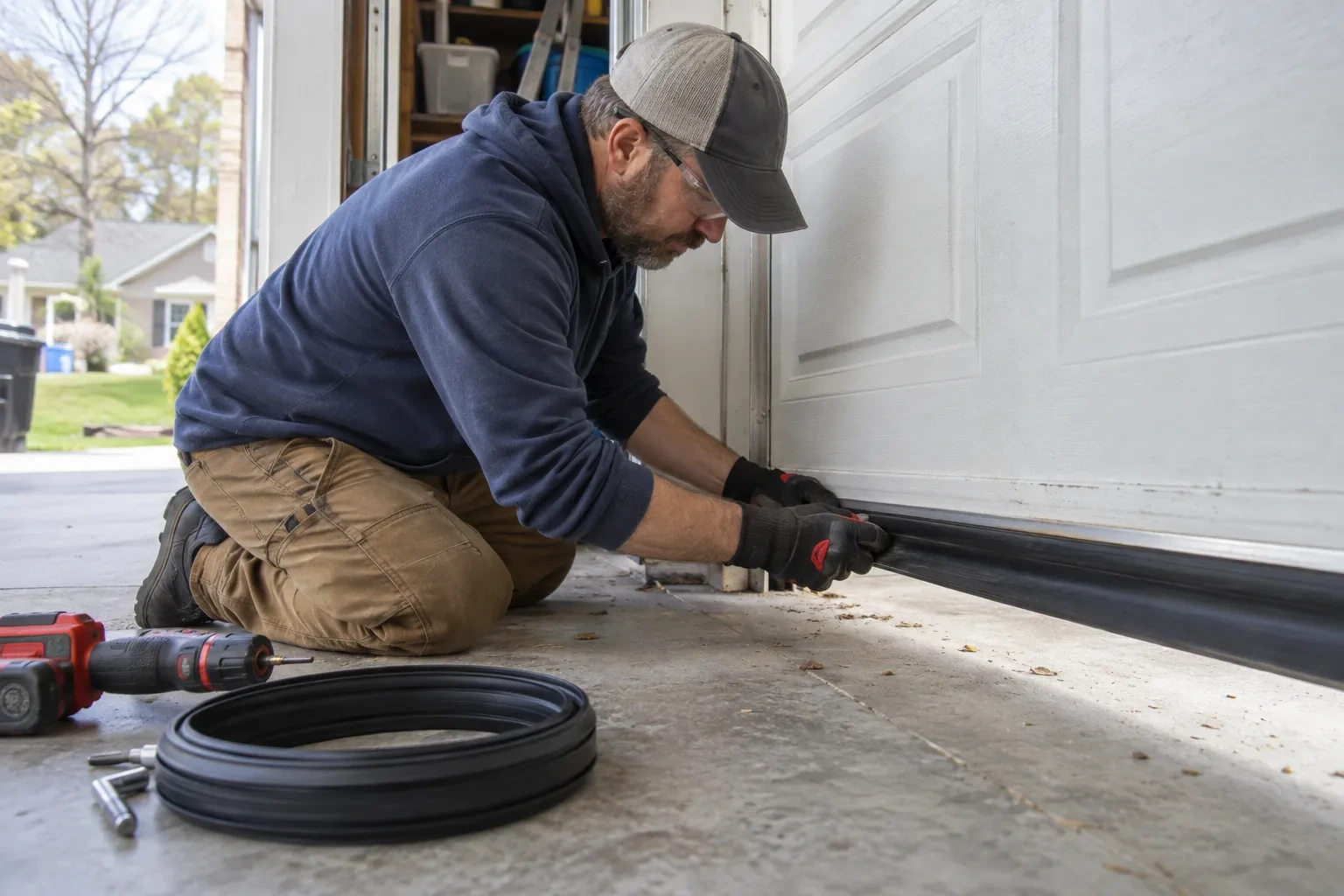
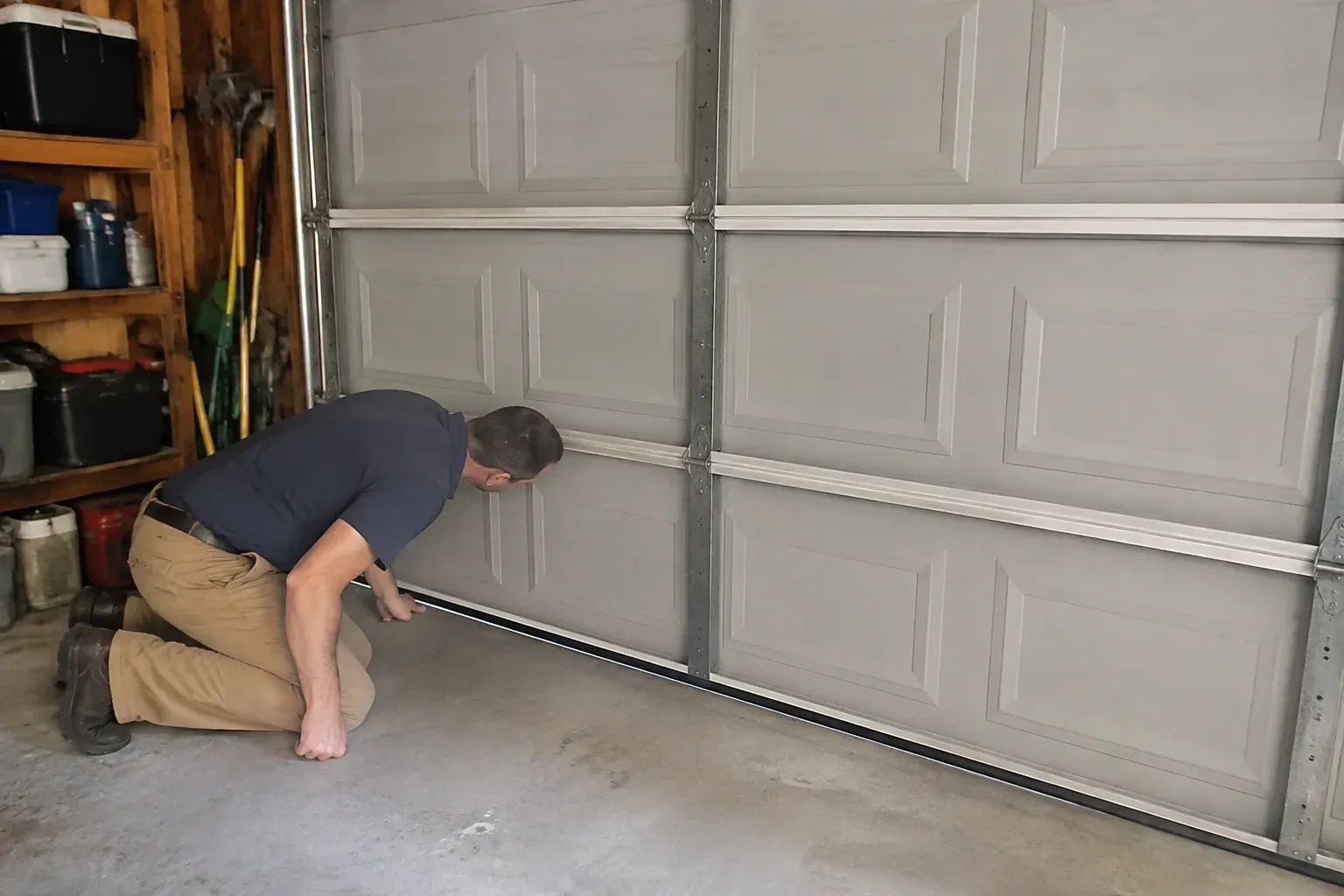
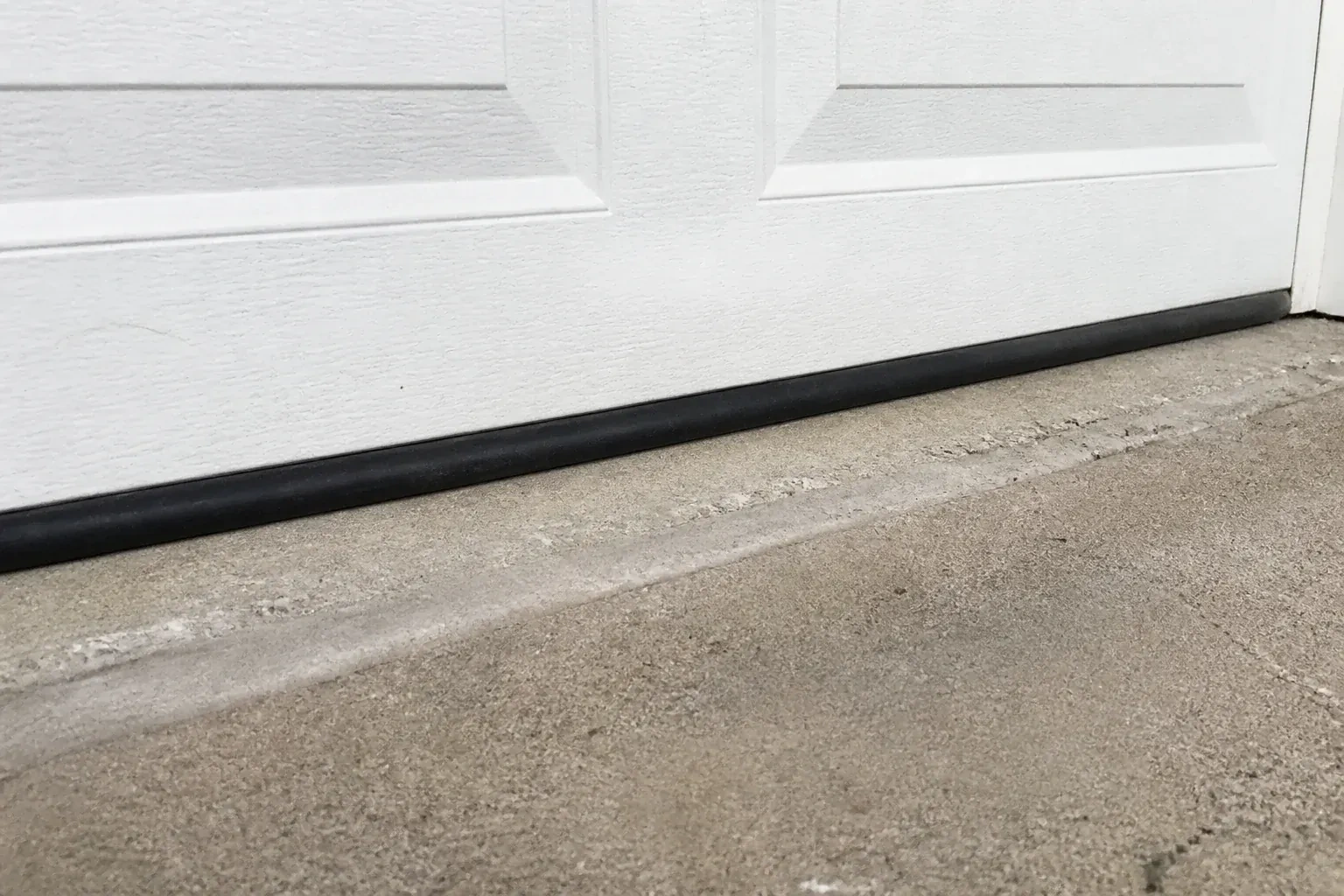
The bedroom over the garage is always the cold room, and standing in the garage you can feel why: a steady draft along the door edges that moves the cobwebs on the wall. The seal around the opening has flattened to nothing.
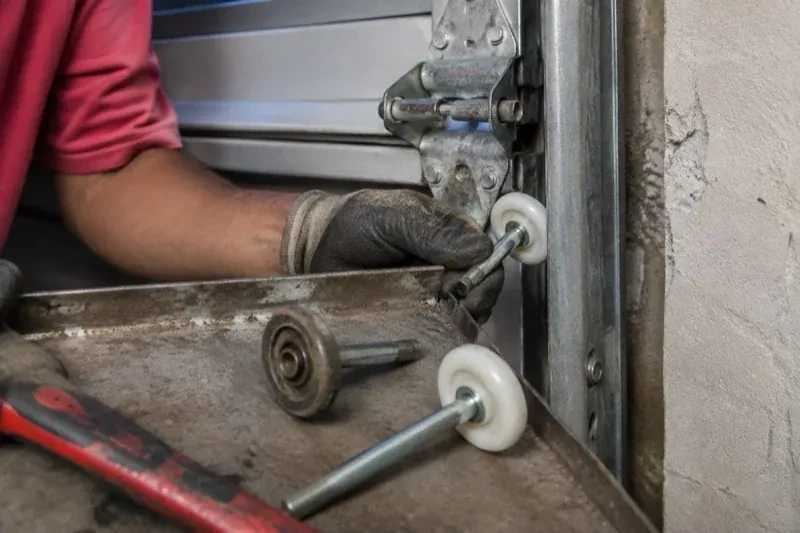
One of the little wheels along the edge of the door has a chunk missing, another sits crooked in its hinge, and there is a fine grey dust on the floor under the track where plastic has been wearing away.
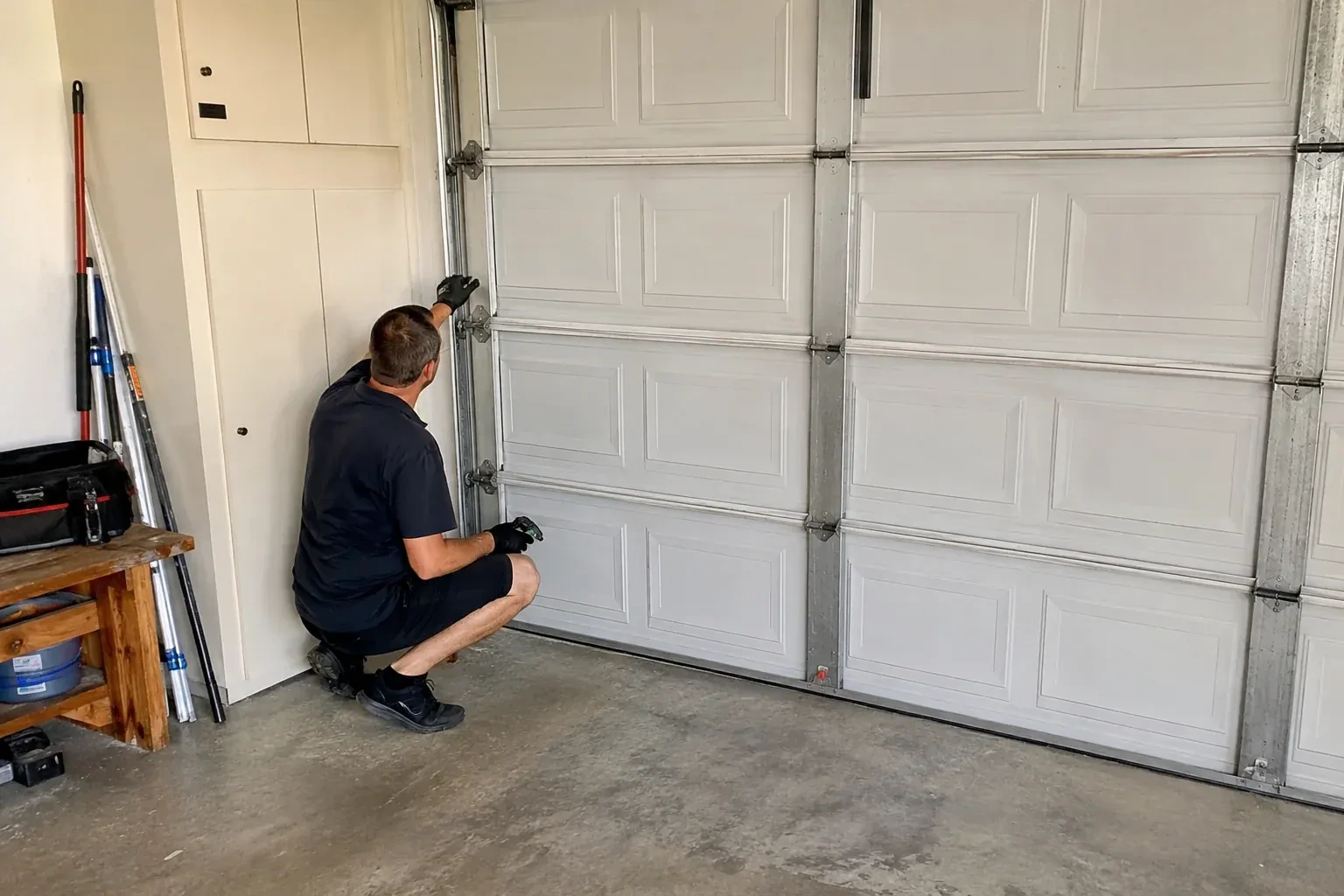
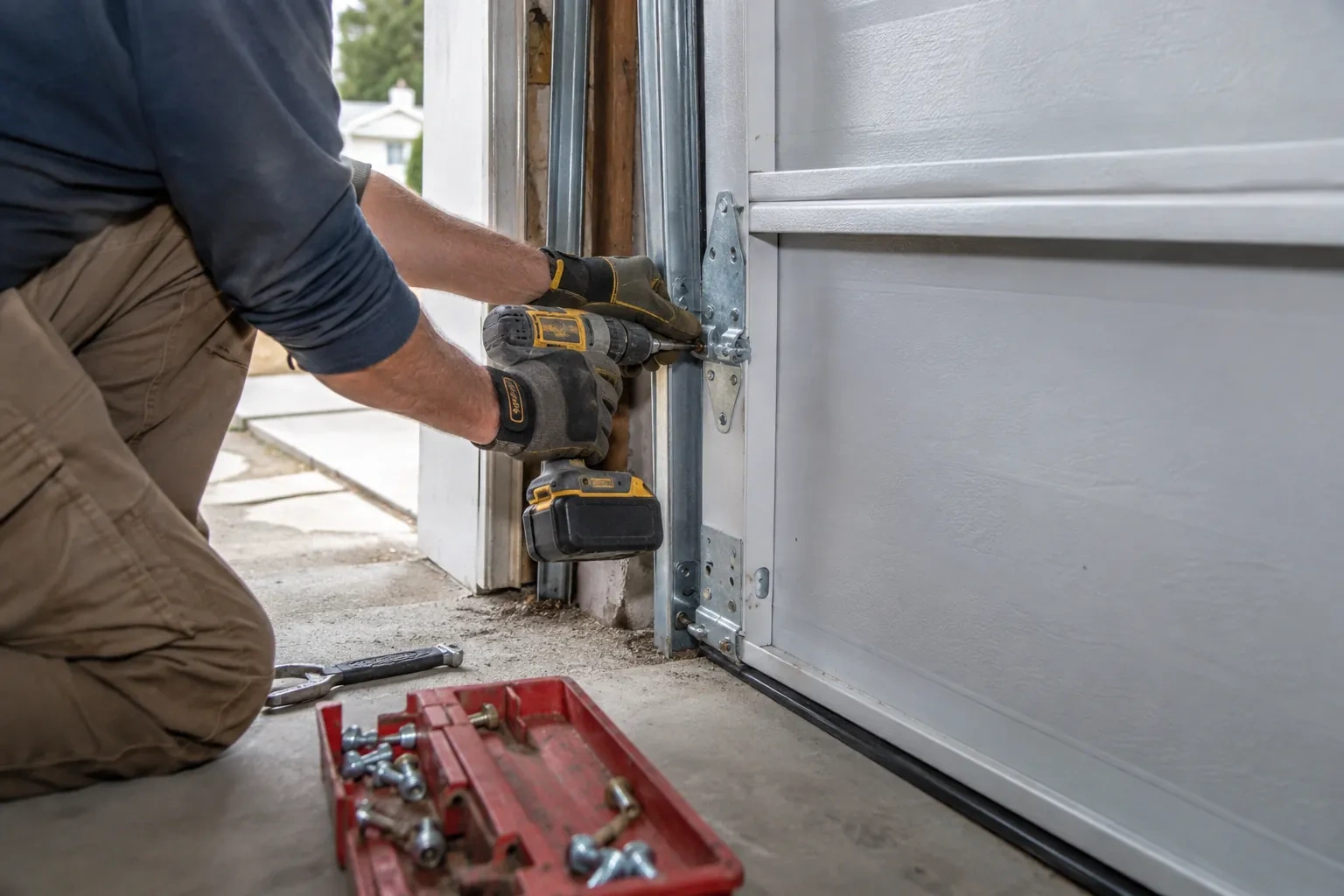
You bought the house with a door that sticks near the top of its travel. The vertical track was screwed tight against the jamb, so the door drags along its stop moulding on every trip instead of swinging clear.
The door drops the last stretch to the floor rather than settling, and when you stop it halfway by hand it slides down instead of staying put. Balance has drifted, and the spring is no longer holding its share of the weight.
The opener groans on the way up and the door slams the last foot on the way down, hard enough to rattle the windows. The motor is the same one it always was; something in the springs has stopped doing its share.
Someone backed the car in a little too far, a bin or a bicycle brushed the track, and since then the door starts to close and comes back up. One sensor now sits at a slightly different angle from the other.
Your renovation changes how the ceiling space will be used. The existing track conflicts with new storage and lighting, so the replacement needs a measured track arrangement that follows the available headroom and backroom.
Your garage is becoming a workshop, but the thin single-skin door rattles, sweats and lets outdoor temperatures shape the whole room. You want a stronger sectional assembly suited to the way the space is now used.
Frequently, in one of two ways. Springs that are worn, broken or mismatched to the door's weight make the opener carry a load it was never meant to, dragging the sections out of line. And whenever cables must be re-seated or replaced, the spring tension has to be released and rewound to do it. The technician assesses the springs at the start and tells you whether they are part of the fix.
Can a dent be repaired instead of replacing the section?
Sometimes. A shallow dent in the middle of a steel skin, away from joints and hinge points, can often be eased out or filled, sanded and painted. Damage that creases the metal, reaches a joint or an end stile, bends a hinge point, or kinks a strut affects how the section carries load as the door moves, and a new section is the sound repair there. The technician tells you which category your dent falls into.
My door was replaced last year. Does the perimeter seal need doing too?
Often, yes. A new door is sometimes fitted against the original wood stop and its old fin, and the new door may sit slightly differently in the opening, so the old seal no longer meets it. If daylight shows at the edges or the fin is hard and cracked, a new seal set against the new door completes the installation and matches the fresh look of the door.
Will new rollers make my door quieter?
Usually, and often dramatically. Rollers are the only part of the door that touches the track, so most of a door's clatter starts there. Moving from worn steel or bare plastic wheels to nylon ball-bearing rollers changes the sound more than any other single part. The rest of the quiet comes from the same visit: hinges lubricated, loose bolts tightened, the track squared so nothing rubs. Springs can still squeak on their own, and the technician can treat those separately.
How often should the track and its fasteners be checked?
A glance each month from inside the garage, with the door closed, is enough to catch a bracket standing off the jamb or a hanger starting to lean. Twice a year, snug the bracket bolts and lag screws, wipe out the channel, and watch the door make a full trip to confirm every roller stays in the track. The industry guidance also suggests an annual visit by a trained door technician, who checks the track with the rest of the system.
What happens if the header wood or centre bracket is damaged?
The centre bracket anchors the spring's reaction force to the framing above the door, so it has to be solid. If the header has split or softened, or the lag bolts have pulled, the technician can refasten into sound wood, add a reinforcing plate or replace the bracket before the new spring is wound. Dealing with this first keeps the shaft level and the spring pulling straight, which protects the bearings and the door.
Should I try to open the door by hand before the technician arrives?
No need, and it is easier on the door if you leave it. With a spring broken or slack, the door is unbalanced and heavy, and lifting it can let it drop or twist a section in the track. If the door is stuck partway, leave it there and keep people and the car away from the opening. The technician brings clamps and props, and the door is secured before it is moved at all.
Will the sensors need replacing or just aligning?
Most visits end in alignment, cleaning and bracket work, because the sensors themselves are hardy. Replacement comes into it when a lens has clouded or crazed, when the housing is split or holds water, an indicator stays dark with the wiring proven good, or the pair is from a different generation than the opener and is never recognised. The technician tests before choosing, so the parts list matches what the door needs.
What happens to my current opener?
Its condition, intended capacity, rail position and connection geometry are reviewed against the proposed door. If it is suitable and included in the scope, it can be reconnected after the new door passes manual travel and balance checks. Limits, photo eyes, reversal response and emergency release are then tested for the completed system.
Can the installation improve a draughty opening?
A properly fitted insulated door with fresh perimeter and bottom seals addresses common air paths through and around the opening. The installer checks section joints, jamb contact, header contact and the slab line. Comfort also depends on walls, ceiling, service doors and ventilation, so the door is treated as one important boundary in the garage rather than the only factor.
Request a visit
People in Humber Summit tend to remember two things about a visit from us: the technician showed them the worn part rather than just naming it, and the number he gave on site was the number on the invoice. That is how every job runs, from a single roller to a full new door.